
Marriage Problems Counselling: A Guide to Rebuilding Your Relationship

If your marriage feels like it's hitting rough waters, you're not alone. Couples face communication breakdowns, unresolved conflict, emotional distance, and trust issues all the time. The good news? Marriage problems counselling is designed specifically to help you and your partner work through these challenges together and come out stronger on the other side.
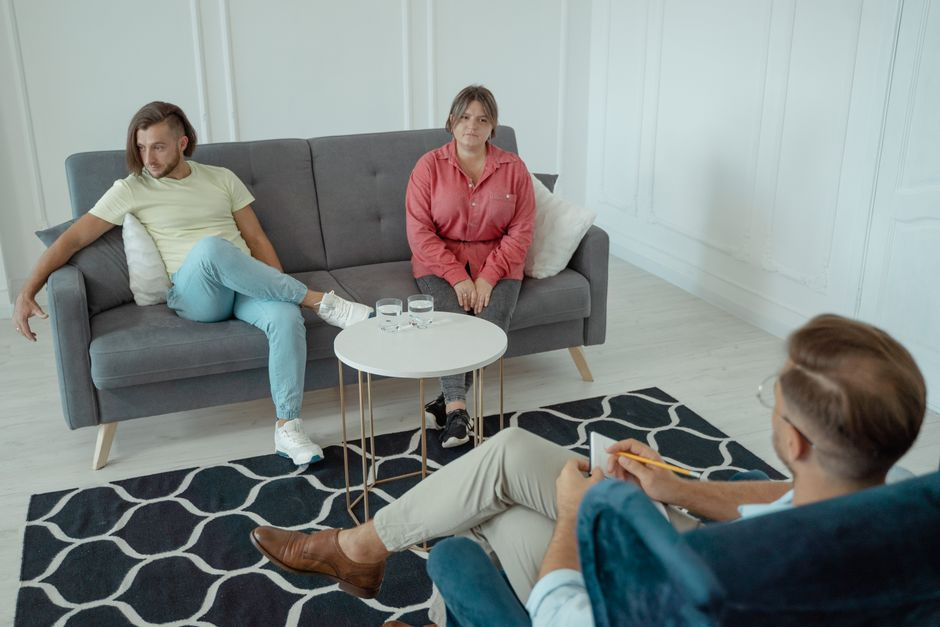
Marriage counselling is a form of therapy where both you and your spouse sit down with a trained mental health professional to address the difficulties you're facing as a team. It's not about picking sides or assigning blame. Instead, it's about understanding the patterns that got you here and building new, healthier ways to connect.
What Marriage Problems Counselling Actually Does
Marriage counselling tackles the root causes of your relationship struggles, not just the surface complaints. You might argue about dishes or money, but the real issue might be feeling unheard or disconnected from each other.
A counsellor helps you identify those underlying patterns so you can address them directly. This is where real healing happens.
Here's what you can expect counselling to help with:
Communication skills - Learning how to talk to each other without defensiveness or shutting down
Conflict resolution - Moving from arguments where someone "wins" to conversations where you both feel heard
Emotional connection - Rebuilding intimacy and closeness after distance or betrayal
Trust restoration - Working through the aftermath of infidelity or broken promises
Decision-making as a team - Making major life choices together instead of pulling in opposite directions
If you're dealing with specific issues like an affair or lost intimacy, The Art Of Relationships specializes in helping couples navigate these painful transitions and rebuild what was broken.
Why Both Partners Need to Show Up
Here's the reality: marriage counselling only works if you both actually want it to work. This doesn't mean you have to agree on everything walking in. It means you're both willing to listen, be honest, and try new approaches.
When both partners actively participate, the benefits multiply. You start seeing results faster because you're working on the same team instead of against each other. You learn how your actions affect your spouse. You begin to understand where they're coming from, even when you disagree.
If one person is resistant, that's something to address early on. A counsellor can help even a reluctant partner see why showing up matters.
Common Issues Marriage Counselling Addresses
You might be wondering if your problems are "bad enough" for counselling. They are. If something is bothering you, it's worth working on.
Typical issues couples bring to counselling include:
Frequent fighting about the same topics without resolution
Feeling emotionally disconnected or like roommates instead of partners
Sex or intimacy problems
Infidelity and rebuilding trust after an affair
Money conflicts and different financial values
Parenting disagreements
Lack of quality time or feeling taken for granted
One or both partners considering divorce
Even couples who aren't in crisis find value in counselling. Some people use it to strengthen their marriage before problems get serious, or to prepare for major life changes together.
What Happens in a Marriage Counselling Session
Your first session is usually an assessment. The counsellor listens to both of you describe what's been happening and what brought you in. They're not judging. They're gathering information about your dynamic so they can figure out how to help.
In follow-up sessions, you'll work on specific skills. This might include learning how to express your needs without attacking your partner, or finding ways to reconnect physically and emotionally.
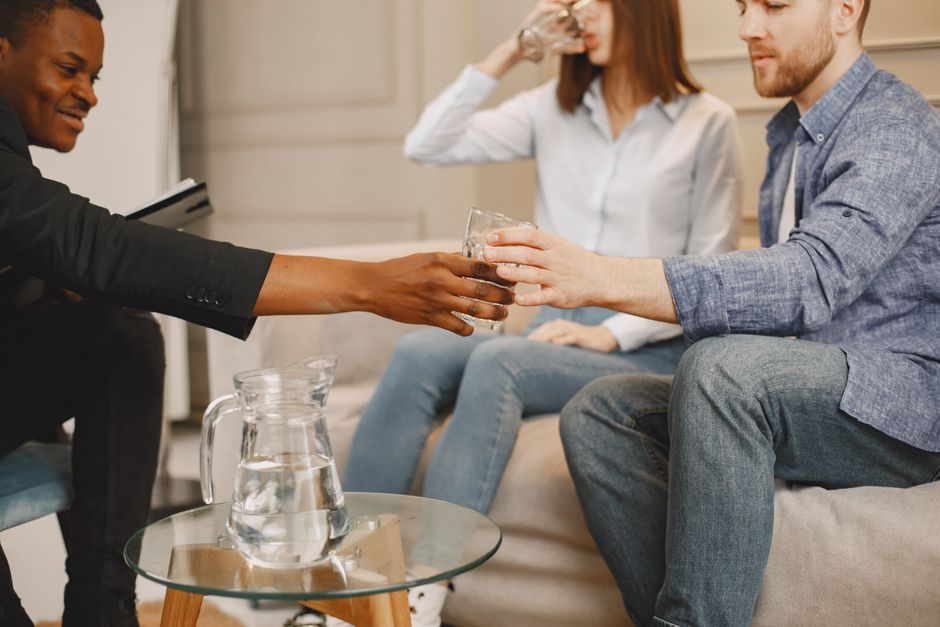
The counsellor acts as a neutral third party. They might call out patterns you don't see. They might suggest homework assignments for you to practice at home. They're there to guide the conversation so it stays productive instead of turning into the same old fight.
Sessions usually last 50 to 60 minutes and happen weekly or bi-weekly, depending on what you need. Some couples see results quickly. Others need more time to break old patterns and build new ones.
How Online Counselling Compares to In-Person
If scheduling or location is a barrier, online marriage counselling is a real option. You can do sessions from home, which sometimes feels safer when you're discussing sensitive topics.
The effectiveness is there. What matters most is that you're actually showing up and doing the work together. Some couples prefer the comfort of their own space. Others find sitting side-by-side in an office helps them focus.
Either way works. Choose what fits your life and makes you feel most comfortable being vulnerable.
How to Know When It's Time to Seek Help
You don't need to wait until you're on the verge of divorce. In fact, the earlier you address problems, the easier they are to fix.
Consider counselling if you're experiencing any of these signs:
You can't seem to resolve conflicts without one of you shutting down or leaving
You're communicating less and less, or only about logistics
You feel more like a roommate than a partner
There's been infidelity or a major breach of trust
One or both of you has mentioned divorce, even casually
You love each other but don't know how to fix what's broken
You're thinking about making big decisions (having kids, moving, changing careers) but can't agree
When you're ready to take that step, The Art Of Relationships offers personalized one-on-one sessions designed to help couples heal relationship wounds and rebuild connection.
Making the Most of Marriage Counselling
Going to sessions is only half the work. The real progress happens when you apply what you're learning at home.
Be honest in sessions. If something feels awkward or uncomfortable to say, that's exactly what your counsellor needs to hear. They've heard it before. There's no shame here.
Do the homework. Most counsellors will suggest exercises or conversations to practice between sessions. These aren't busywork. They're where you build new habits and patterns.
Give it time. Relationships don't break overnight, and they don't heal overnight either. You might feel some relief quickly, but deeper shifts take consistency and patience.
Stay committed to the process, even when it feels hard or slow. Real change is worth it.
What Success Actually Looks Like
You might think success means you stop arguing. It doesn't. Healthy couples argue. The difference is they know how to fight fair and actually resolve things.
Real success looks like:
Feeling heard and understood by your partner
Being able to disagree without fear of the relationship ending
Having regular conversations about life, dreams, and worries instead of just logistics
Laughing together again
Physical affection and intimacy that feels genuine
Making decisions together and supporting each other's goals
Trusting your partner again, especially after betrayal
Feeling hopeful about your future together
These changes don't happen because your counsellor waves a magic wand. They happen because you and your partner are willing to look at yourselves honestly and try something different.
People Also Ask
How long does marriage counselling typically take?
There's no one-size-fits-all answer. Some couples see meaningful progress in 8 to 12 sessions. Others work with a counsellor for several months or longer. It depends on how deep your issues run and how committed you both are to change. Your counsellor will help you set realistic expectations early on.
What if my partner refuses to go to counselling?
This is a real challenge. You can't force someone to participate. But you can have an honest conversation about why it matters to you and what you're hoping to get out of it. Sometimes a partner's resistance softens once they understand it's not about blame. If they still refuse, individual therapy can help you figure out what to do next.
Is marriage counselling a sign the relationship is failing?
Not at all. Getting help is actually a sign you care enough to fight for your relationship. Many of the strongest couples have used counselling to deepen their connection. It takes courage to admit you need support and vulnerability to do the work.
Can counselling help after infidelity?
Yes. Rebuilding trust after an affair is painful and complicated, but many couples do it successfully. It requires both partners willing to process the hurt, answer tough questions, and gradually rebuild connection. A counsellor trained in affair recovery can guide you through this specific trauma.

Comments