
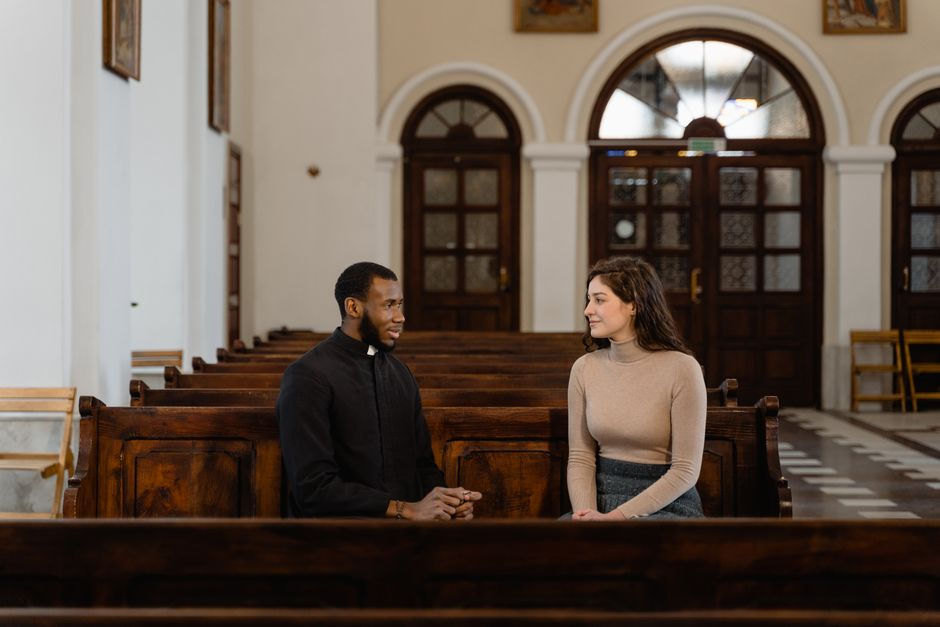
Black Christian Marriage Counseling: Faith-Based Help for Couples

Black Christian marriage counseling is therapy designed specifically for couples who want professional support while staying grounded in their faith. It combines licensed counseling with respect for Christian values, so you're not choosing between getting help and honoring your spiritual beliefs. You get both.
If you're facing communication breakdowns, unresolved conflict, infidelity, or just feeling disconnected from your partner, this type of counseling creates a safe space where your faith isn't separate from the healing process. It's woven in.
What Makes Black Christian Marriage Counseling Different
The biggest difference is this: your counselor understands the Black Christian experience. That means they get the cultural context of your relationship, the role faith plays in your family, and the specific pressures and strengths that come with your background.
A therapist trained in this approach doesn't treat your faith as something to work around. Instead, they help you use your spiritual foundation as part of the healing. Whether you're wrestling with forgiveness after betrayal, rebuilding trust, or just communicating better, your Christian values become part of the toolkit.
These counselors also hold proper therapeutic credentials. You're getting licensed professionals who understand both mental health and faith integration. That combination matters because it means you're getting real clinical support, not just spiritual advice.
Common Issues Black Christian Couples Address in Counseling
Communication problems top the list. Many couples come in because they don't know how to talk about the hard stuff without things falling apart. A counselor helps you learn to listen, express needs clearly, and actually hear each other.
Conflict resolution is huge too. You might argue the same way every time and never get anywhere. Counseling teaches you patterns and gives you tools to break the cycle.
Infidelity and trust issues bring plenty of couples in the door. Rebuilding after betrayal is painful work, and it helps to have someone neutral and trained in affair recovery guiding you through it.
Lost intimacy and emotional distance also show up regularly. Sometimes couples drift without meaning to, and they need help reconnecting physically and emotionally. The Art Of Relationships specializes in helping couples rebuild this kind of deep connection.
Other couples seek counseling before problems get big. Engaged couples often want premarital counseling to set a strong foundation. Long-term partners sometimes just want to deepen their relationship and make sure they're on the same page spiritually and practically.
How Faith-Based Therapy Works in Practice
A session typically starts like regular therapy. Your counselor listens, asks questions, and helps you both feel heard. But faith integration happens naturally throughout the conversation.
If you're working through forgiveness after infidelity, the counselor might explore Christian concepts of grace and restoration alongside practical steps for rebuilding trust. If you're stuck in resentment, they might help you examine how your faith teaches about letting go and moving forward.
Your counselor won't push religion on you or make spiritual choices for you. Instead, they tailor the approach to fit your beliefs and values. Some couples want Bible passages discussed. Others prefer that the spiritual framework stays in the background. Good therapists adapt to what serves you best.
Sessions might happen weekly or every other week, depending on what you need. Some couples also benefit from group work or structured courses alongside one-on-one sessions. Many therapists now offer online options too, so you can access support without scheduling around travel time.
What to Look for in a Black Christian Marriage Counselor
Credentials come first. Your counselor should be licensed as a professional counselor, therapist, or psychologist. That credential means they've trained in mental health and ethics, and they're accountable to a licensing board.
Look for someone with specific training in faith-based therapy or couples counseling. Experience matters. A therapist who's worked with Black Christian couples understands the particular dynamics at play.
You also want someone who feels like a good fit personality-wise. Therapy only works if you trust your counselor and feel safe with them. Most offer a brief consultation so you can ask questions and get a sense of how they work.
Ask directly how they integrate faith into their practice. Do they expect couples to pray together? Will they discuss Scripture? How do they handle it if partners have different spiritual beliefs? A counselor should be clear and flexible about these things.
Check whether they specialize in the specific issue you're facing. If you're dealing with infidelity recovery, you want someone trained in that. If you're in crisis, you want someone who can help you stabilize quickly.
Getting Started with Counseling
Start by being honest about what brought you to this point. Are you here because one partner had an affair? Because you can't seem to stop arguing? Because you feel emotionally disconnected? Because you want to strengthen your foundation before big life changes?
Tell your counselor what you both hope to get out of therapy. Do you want to stay together and rebuild, or are you trying to figure out if you should? Are you looking for quick fixes or long-term healing? Being clear about your goals helps your therapist know how to work with you.
Bring both partners if at all possible. Individual sessions can help too, but couple sessions let your counselor see how you interact and help you both practice new ways of communicating in real time.
If you're unsure whether counseling is right for you, The Art Of Relationships can discuss what's going on and help you figure out your next steps. Sometimes just talking it through with someone trained makes the path forward clearer.
Why Faith Matters in Your Marriage Healing
For many Black Christian couples, faith isn't optional. It's foundational. Your church community, your spiritual practices, and your beliefs shape how you see marriage, forgiveness, commitment, and family.
When you're struggling, trying to work with a counselor who doesn't get that can feel disconnecting. You end up translating between the therapy language and your faith language. Good Black Christian marriage counseling does that translation for you automatically.
Plus, when your counselor respects and understands your faith, they can help you lean on spiritual resources that actually sustain you. Prayer, your faith community, Scripture, spiritual practices, trusted pastors or elders. These become part of your support system, not something separate from therapy.
That integration makes healing deeper and more sustainable because it touches every part of your life, not just the "therapy" part.
Online vs. In-Person Black Christian Marriage Counseling
Both work. In-person sessions let you sit in the same room as your counselor and partner, which can feel more grounded and real. You're creating a sacred space dedicated to your relationship.
Online counseling offers flexibility. You can do sessions from home, which sometimes feels safer when you're discussing vulnerable topics. It also removes barriers like transportation or scheduling around work and kids.
Many couples mix it up. They might do online sessions most of the time and occasional in-person appointments, or vice versa.
The format matters less than finding a qualified counselor who understands your faith and your relationship. That's the real ingredient in healing.
Is Black Christian marriage counseling only for Christians?
No. But it's designed for couples where faith is important. If you're in an interfaith relationship where one partner is Christian and the other isn't, a good counselor can help you navigate that. They'll respect both perspectives and help you find common ground. If faith is central to your identity and your partner's, though, this approach tends to work best.
How long does Black Christian marriage counseling usually take?
It depends on what you're working on and how committed you are to change. Some couples benefit from a few months of weekly sessions. Others work with a counselor for a year or longer. Your therapist will help you set realistic expectations and check in regularly about your progress. There's no one-size-fits-all timeline.
Can counseling help if my partner doesn't want to come?
Individual counseling can help you gain clarity on your relationship and your own boundaries. But couples therapy really shines when both partners are willing to show up. If your partner is resistant, it's worth exploring why. Sometimes a counselor can help you have that conversation in a way that invites your partner in rather than pushing them away. Sometimes individual work gives you the strength to make hard decisions about what comes next.
What if my counselor and I don't click?
Find someone else. The therapeutic relationship matters. If you don't feel safe, heard, or understood after a few sessions, that's feedback. A good counselor knows this and won't take it personally. You deserve to work with someone you trust, so don't settle just because they have the right credentials.



Comments