

How to Find a Black Couples Therapist: A Practical Guide

Finding a Black couples therapist means more than just booking an appointment with someone who's available. You're looking for someone who understands the specific pressures, dynamics, and strengths that show up in Black relationships. The good news: therapists who specialize in this work exist, they're trained, and they can make a real difference in how you and your partner move forward together.
Why Cultural Fit Matters in Couples Therapy
Here's the thing: therapy works better when your therapist gets the context of your life. A Black couples therapist brings cultural understanding that helps them recognize patterns you might not even name yourself. They know about systemic stress, family history, communication styles, and the specific challenges Black couples face. That shared understanding cuts through a lot of unnecessary explanation and lets you focus on what actually needs to change.
When you're sitting in a session discussing money, family dynamics, or trust issues, you don't want to spend energy explaining why certain topics hit differently. You want someone who already knows. That's not about matching race for race alone. It's about having a therapist whose lived experience or specialized training means they understand your world.
What to Look for in a Black Couples Therapist
Start with credentials. You want someone who is formally trained in couples and marriage counseling. Look for licenses like Licensed Marriage and Family Therapist (LMFT), Licensed Clinical Counselor (LCC), or Licensed Professional Counselor (LPC). These aren't just titles. They mean the person has completed specific education, supervision, and testing in relationship work.
Check whether they specialize in the challenges you're facing. Some Black couples therapists focus on infidelity recovery, others on communication rebuilding, others on reigniting intimacy. Some have experience with premarital work. Know what you need before you start looking, and you'll find someone faster.
Availability and format matter too. Do you need in-person sessions or are you open to online therapy? How quickly can they see you? Do they offer a free initial consultation so you can assess whether the chemistry is there? Many therapists will do a brief call to help you decide if you're a good fit. Take advantage of that.
If you're not sure where to start with finding someone, The Art Of Relationships can connect you with therapists and coaches who specialize in relationship healing and have experience working with couples through real challenges.
How to Screen Providers Before You Book
Many Black couples therapists now have introductory videos or bios online. Watch or read them. You're looking for someone who talks about their approach in a way that resonates with you. Do they mention cultural competency? Do they explain how they work? Do their words feel warm or clinical?
Use the free consultation call strategically. Ask about their experience with your specific issue. If you're recovering from an affair, ask how they handle infidelity work. If communication broke down, ask about their approach. If you want to rebuild intimacy, ask what that looks like in sessions. Good therapists will answer clearly and without defensiveness.
Pay attention to how they listen. In that first conversation, are they asking good questions about your situation? Are they explaining their process? Are they making space for both your voice and your partner's? The therapy relationship starts in that very first call. Trust your gut about whether this person feels safe.
Getting Started: What to Expect in Early Sessions
Your first few sessions will usually focus on understanding what brought you in. The therapist will ask about your relationship history, what's working, what's broken, and what you both want to get out of therapy. Bring honesty. This isn't a place to perform or hold back. The more real you are, the faster real change happens.
Many Black couples therapists use strengths-based approaches. That means they're not just looking at what's wrong. They're also identifying what's strong in your relationship and building from there. You came together for reasons. You had chemistry, compatibility, or something that made sense. A good therapist helps you remember that foundation while you work on the broken pieces.
Expect homework. Real therapy isn't just the hour in the therapist's office. It's the conversations you have at home, the boundaries you set, the communication patterns you practice. Your therapist will guide that work, but you have to do it.
Common Questions About Choosing a Black Couples Therapist
Do I have to see a Black therapist to get good couples therapy?
No. But if cultural competency and shared understanding matter to you (and for many couples, they do), seeking out a Black couples therapist makes sense. What matters most is that your therapist is trained, experienced with your specific issue, and someone you both trust. The fit between you and your therapist is more important than the therapist's demographic background alone.
How do I know if a couples therapist is actually trained in couples work versus just doing individual therapy with both of you?
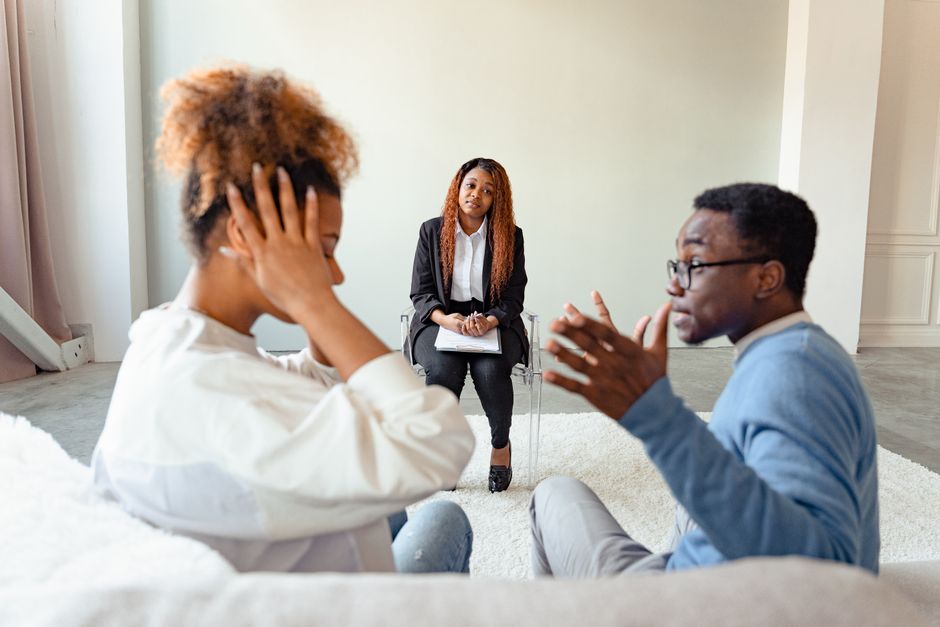
Ask directly. A couples-trained therapist sees the relationship as the client, not just the two individuals. They'll ask about dynamics between you two, not just your individual feelings. They'll facilitate conversations between you during sessions. If a therapist just meets with each of you separately and shares notes, that's not true couples therapy. You can do better. When you talk to potential therapists, ask about their couples-specific training and approach.
What if my partner doesn't want to go to therapy but I do?
You can absolutely start with individual therapy or coaching to work on your own patterns and communication skills. This isn't ideal for relationship repair (which really does require both people), but it's better than doing nothing. Sometimes when one partner gets healthier and more skilled, the other becomes more willing to join. The Art Of Relationships offers both individual coaching and couples sessions, so you can start where you and your partner are actually willing to meet.
How long does couples therapy usually take?
It depends on what you're working on and how committed you both are. Some couples see changes in 8-12 weeks. Others need 6 months or longer, especially if you're rebuilding trust after infidelity or working through deep communication wounds. Ask your therapist for a rough timeline based on your situation. Expect that timeline to shift as you go. Healing isn't linear.

Comments