

Relationship Problems Therapist: When to Seek Help & What to Expect

If your relationship feels broken, distant, or stuck in the same arguments over and over, you're not alone. A relationship problems therapist specializes in helping couples like you navigate conflict, rebuild trust, and reconnect emotionally. Whether you're dealing with infidelity, communication breakdowns, or just lost intimacy, therapy can transform how you and your partner relate to each other.
The key thing to understand right now: therapy isn't a sign of failure. It's actually one of the smartest investments you can make in your marriage or long-term partnership.
What Does a Relationship Problems Therapist Actually Do?
A relationship problems therapist uses evidence-based techniques to help you and your partner communicate better, understand each other's emotions, and resolve conflicts in healthier ways.
Here's what typically happens in sessions:
They help you talk. Many couples don't know how to express what they really feel without blame or defensiveness. A therapist teaches you both how to listen and be heard.
They identify patterns. Therapists see the repetitive arguments and emotional withdrawals that trap couples. Once you recognize the pattern, you can break it.
They rebuild trust. After betrayal or hurt, trust feels impossible. A therapist walks you through the steps to rebuild it, brick by brick.
They deepen connection. Beyond just stopping fights, therapy helps you feel close again emotionally and physically.
They teach practical skills. You learn actual communication techniques you can use at home between sessions.
Think of it this way: a therapist is like a coach who's seen hundreds of relationships in your exact situation. They know the plays that work.
When Should You See a Relationship Problems Therapist?
You don't have to wait until your relationship is on life support to get help. But here are clear signs that now is the time:
You're having the same fight repeatedly and nothing changes.
One or both of you has withdrawn emotionally or physically.
Infidelity has happened and you're trying to decide whether to stay or work through it.
You feel more like roommates than partners.
Communication has become mean, dismissive, or just stopped altogether.
You're considering separation but want to know if there's a path forward.
You want to strengthen your relationship before problems get bigger.
If any of these resonate, it's time to reach out to someone trained in relationship work. The Art Of Relationships specializes in exactly these situations, offering personalized guidance tailored to your specific challenges.
Finding the Right Relationship Problems Therapist for Your Situation
Not all therapists are the same. Look for someone who specializes in couples work, not just individual therapy. Here's what matters:
Credentials. Make sure they're a licensed professional counselor, marriage and family therapist, or licensed clinical social worker. These letters after their name mean they've met rigorous training and ethical standards.
Experience with your specific issue. If infidelity is the problem, find someone who specializes in affair recovery. If you've lost intimacy, look for someone trained in intimacy coaching.
Location and availability. Do they offer sessions at times that work for you? Can you meet in person, or do you need online options?
Your gut feeling. You both need to feel safe with this person. If something feels off in the first session, keep looking.
Many couples worry about the cost or time commitment. The reality is that a few months of therapy now can save your relationship. It's far cheaper and less painful than the alternative.
How Therapy Improves Communication (The #1 Thing That Changes)
Here's what almost every couple discovers: most relationship problems aren't actually about the issue you think they are. They're about how you talk about the issue.
A therapist helps you develop emotional intelligence. That means understanding what you're really feeling underneath anger or withdrawal, and expressing it in a way your partner can actually hear.
Instead of: "You never listen to me!" You learn to say: "When you interrupt me, I feel like my thoughts don't matter to you. I need you to let me finish."
That second version opens the door to real conversation instead of triggering defensiveness. Your partner actually hears you instead of gearing up for a fight.
Communication improvements often happen fastest in the first few sessions because you're finally doing it right for maybe the first time in years.
Rebuilding Trust After Betrayal or Hurt
Trust is fragile, but it's not impossible to rebuild. If infidelity or repeated broken promises have damaged your relationship, a therapist who specializes in affair recovery has a roadmap.
The person who was hurt needs to know the betrayal is fully acknowledged and that real change happened. The person who caused the hurt needs to understand the impact and commit to transparency going forward.
This doesn't happen overnight. But with the right professional guidance, many couples do come out the other side stronger because they actually dealt with what happened instead of just sweeping it under the rug.
That's where a specialized approach makes all the difference. The Art Of Relationships offers personalized one-on-one sessions designed specifically for couples navigating trust rebuilding and recovery from infidelity.
What Happens in Your First Session?
You'll probably feel nervous. That's normal. Here's what to expect:
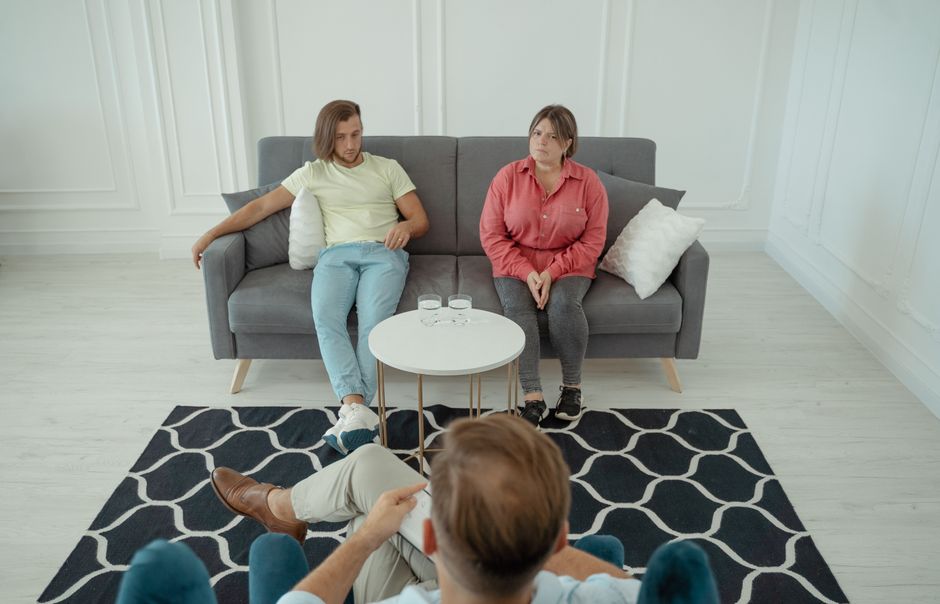
The therapist will ask each of you about your relationship history and what brought you in now.
They'll listen for emotional patterns without judgment.
They might ask uncomfortable questions to understand the real issue underneath the presenting problem.
You'll leave with a sense of whether this feels like the right fit.
If it does, you'll discuss how often you'll meet and what you want to work toward.
Most couples see their therapist weekly or every other week. Sessions typically run 50-60 minutes. You'll both participate, which means both of you get heard.
Beyond Weekly Sessions: Ongoing Support and Skill-Building
Good therapy doesn't mean sitting in an office forever. The goal is to give you tools and understanding so you can handle things on your own.
Between sessions, you practice what you learned. Maybe it's a new way of bringing up conflict, or daily check-ins where you both share what you're feeling. Small, consistent changes add up.
Some couples also benefit from workshops or group seminars where they see other couples working through similar issues. Knowing you're not the only ones struggling? That's incredibly validating and motivating.
The timeline depends on your situation. Some couples see major improvements in 3-6 months. Deeper work around trust or intimacy might take longer. Your therapist will help you set realistic expectations early on.
Is Therapy Really Going to Help, or Are We Just Wasting Time?
That's the real question, right? Here's the truth: therapy only works if both people genuinely want to improve the relationship and are willing to be vulnerable and honest.
If one person is checked out or secretly planning to leave, therapy can't fix that. But if you're both committed to finding your way back to each other, a skilled relationship problems therapist gives you the best possible chance.
The couples who see the biggest transformations are the ones who show up consistently, do the work between sessions, and stay open to learning about themselves and their partner. It's not magic. It's just deliberate effort with professional guidance.
If you're ready to stop repeating the same patterns and actually reconnect with your partner, that's when therapy creates real change.
Taking the Next Step
Finding a relationship problems therapist who's the right fit matters more than you might think. You want someone experienced, compassionate, and skilled in the specific issues you're facing. When you're ready to take this seriously, look for a licensed professional who specializes in couples work and has a track record with your particular challenges.
Is one session enough, or do you need ongoing therapy?
One session might help you feel heard, but real change takes time. Most couples benefit from consistent sessions over weeks or months. Think of it like physical therapy for a broken arm. You don't go once and expect it to be healed. You show up regularly, do the exercises, and gradually get stronger.
Can therapy help if my partner doesn't want to go?
Individual therapy for you can help, and sometimes when one person changes how they communicate or respond, it shifts the entire dynamic. But couples therapy specifically requires both people in the room. If your partner refuses, that's actually important information about your relationship that's worth exploring with an individual therapist.
What's the difference between couples therapy and marriage counseling?
The terms are often used interchangeably. The real difference is the approach and focus. Some therapists use specific models like Emotionally Focused Therapy or the Gottman Method. The best one for you is the one that addresses your specific issues with a professional you both trust.
How much time until you see real changes?
Some couples notice shifts in communication within the first two or three sessions. Deeper changes around trust and intimacy take longer. Most meaningful improvement happens over 3-6 months of consistent work, but everyone's timeline is different based on what you're working through.
Comments