

Pre Marriage Counseling: What to Expect & Why It Matters

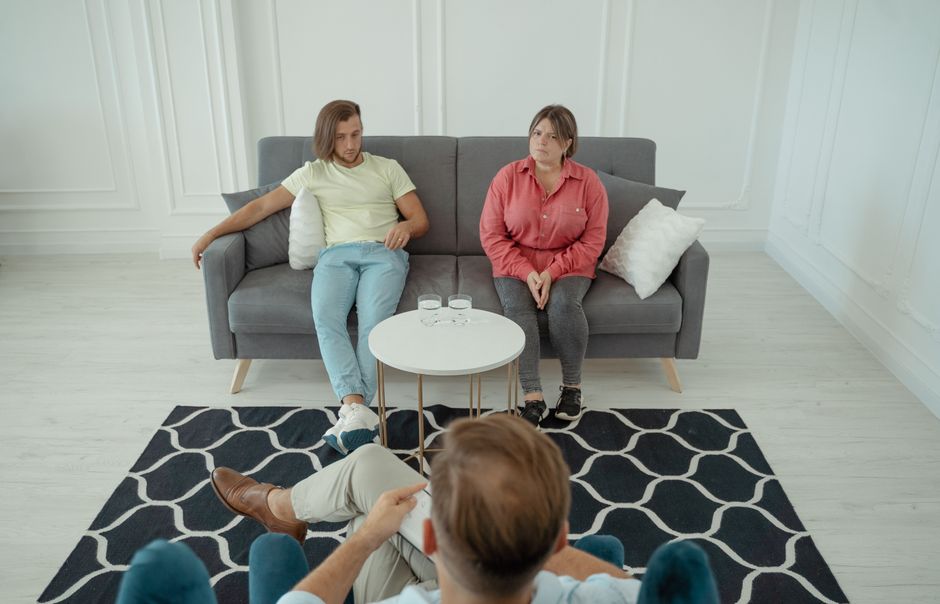
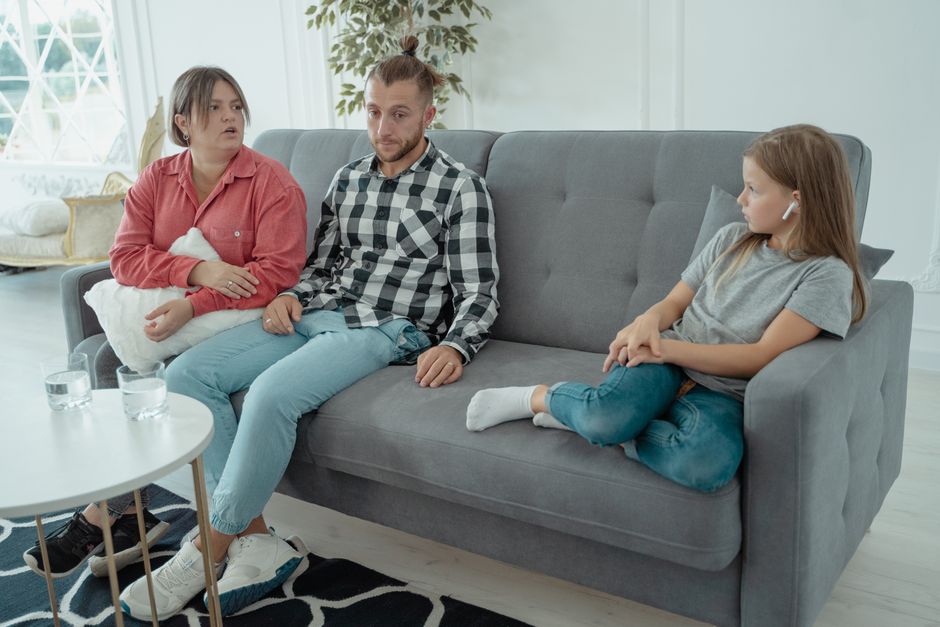
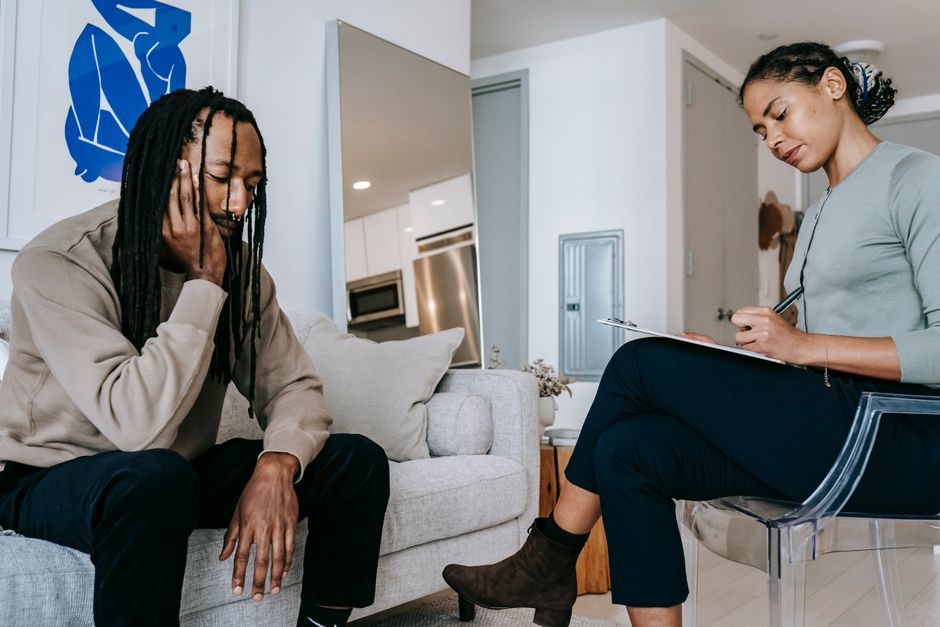
Pre-marriage counseling is exactly what it sounds like: professional guidance for engaged couples before you say "I do." It's not marriage therapy (you're not in crisis), and it's not just a check-the-box exercise. Instead, it's a chance to sit down with a trained counselor and get on the same page about the stuff that actually matters in marriage—money, kids, family relationships, sex, conflict style, and everything in between.
Think of it as a relationship owners manual. You're learning how to communicate when things get hard, figuring out where you might clash, and developing skills that'll serve you for decades. The Art Of Relationships offers pre-marriage counseling designed to give you exactly this kind of practical foundation before the real test begins.
Why Pre-Marriage Counseling Actually Works
Here's the truth: most couples never talk about the hard stuff until they're already married and things get tense. By then, you're arguing instead of learning.
Pre-marriage counseling flips that around. You get to explore potential conflicts in a calm, neutral space with someone trained to help you navigate them. You learn each other's expectations about everything from household chores to how involved your parents should be. You discover communication patterns that might trip you up later.
The biggest win? You build practical tools for managing disagreement before you desperately need them. When you hit a rough patch (and every marriage does), you'll already know how to talk through it instead of letting it fester.
What Happens in Pre-Marriage Counseling Sessions
Most pre-marriage counseling programs run about 4-6 sessions, with each session lasting anywhere from 50 to 90 minutes. That's not a huge time commitment, but it's enough to dig into the stuff that matters.
Sessions usually follow a topic-based structure. You might cover communication in one session, finances in another, family expectations in a third. But good counseling isn't rigid. A trained therapist will also leave room for whatever's coming up for you as a couple—those unique tensions or concerns that don't fit neatly into any category.
Here's what a typical session might look like:
Your counselor asks questions about how you each handle conflict
You talk through a specific disagreement you've had (or might have)
The counselor teaches you a better way to communicate about it
You practice that new skill right there in the room
You get homework to try it at home
Virtual counseling is also an option. Live sessions online give you the same personal feedback and professional guidance as in-person, just with more flexibility in scheduling and location.
The Key Topics Worth Exploring
Every couple is different, but some topics almost always come up:
Communication style. How do you each naturally handle disagreement? Do you go quiet, get loud, or shut down? Recognizing these patterns before marriage means you can choose better responses.
Money and finances. Different spending habits, debt, savings goals, and who manages what can cause real tension. Pre-marriage counseling gives you a framework for these conversations.
Family relationships. How much time will you spend with in-laws? What values matter most from your families of origin? These questions matter more than most couples realize.
Sex and intimacy. This isn't always easy to talk about with your partner alone, but it's foundational. A counselor creates a safe space to discuss expectations, desires, and any concerns.
Life goals and parenting. Do you both want kids? How many? What values will you raise them with? These aren't small questions.
Conflict resolution. You'll learn concrete techniques for when you disagree, so you can fight fair and actually resolve things instead of just venting.
When Pre-Marriage Counseling Is Most Valuable
Pre-marriage counseling makes sense for every couple, but it's especially important if you fall into any of these categories:
You're coming into the relationship with past hurt or trauma you haven't fully processed. Unresolved pain from a previous relationship or childhood wound can show up in your marriage in ways you don't expect. Addressing it now, with professional help, keeps it from sabotaging your new partnership.
You've already had some knock-down fights or periods where you felt stuck. You don't need to be in full crisis to benefit from counseling. If you've noticed communication patterns that concern you, or if you've hit rough patches, pre-marriage counseling gives you tools to interrupt those patterns before marriage stress magnifies them.
You come from very different backgrounds—different families, religions, cultures, or economic situations. These differences aren't dealbreakers, but they need real conversation. A counselor helps you honor both of your worlds while building something new together.
This is a second marriage for one or both of you. If you're bringing kids, ex-partners, or complicated history into the new relationship, pre-marriage counseling helps you navigate that complexity with intention.
Building the Skills You'll Actually Use
The real value of pre-marriage counseling isn't just learning about each other—it's learning how to handle the inevitable moments when you don't agree.
You'll get concrete techniques for things like: asking for what you need without attacking your partner, listening to understand instead of just waiting for your turn to talk, taking breaks when things get heated so you can come back calmer, finding compromise that respects both of your needs, and checking in on how you're both feeling about major decisions.
These aren't complicated skills, but they're not intuitive either. Most of us learn conflict patterns from our families, and those patterns aren't always helpful. The Art Of Relationships specializes in teaching couples exactly these kinds of practical tools before they're tested by the stress of married life.
The bonus? When you practice these skills in a counselor's office, they feel awkward and staged. But that awkwardness is exactly what makes them stick. By the time you're using them at home, they'll feel more natural.
What to Look for in a Pre-Marriage Counselor
Not all counselors are equally equipped to work with engaged couples. Here's what matters:
Find someone with specific training in couples work, not just general therapy. Couples counseling is its own skill set. A therapist trained in communication patterns, conflict resolution, and relationship dynamics will be more helpful than a generalist.
You want someone who's warm and accessible, not stuffy or clinical. Pre-marriage counseling should feel like talking to a wise friend who happens to have professional expertise, not like sitting in a psychology textbook.
Choose someone who's willing to be flexible. Every couple is different. A counselor should work from a framework, sure, but also leave room for your specific concerns and questions.
Chemistry matters. You're trusting this person with intimate stuff about your relationship. If you don't feel safe or understood in the first session, it's okay to look elsewhere.
Making the Most of Your Pre-Marriage Counseling Experience
Show up ready to be honest. The counselor can only help if you're willing to talk about real concerns, not just the stuff you think sounds good. If you're worried about something, say it.
Go in with curiosity instead of trying to "win" arguments. Pre-marriage counseling isn't about proving your point; it's about understanding your partner better and building skills together.
Do the homework. Between sessions, practice the techniques you've learned. Talk about the topics that came up. The real work happens when you're not in the therapist's office.
Stay patient with each other. Sometimes counseling brings up uncomfortable truths or highlights differences you didn't fully see. That's not a bad thing—it means it's working. Process it together with compassion.
The Long-Term Payoff
Couples who invest in pre-marriage counseling tend to approach their marriage with more intention and better tools. You won't eliminate conflict—that's part of any long-term relationship—but you'll know how to handle it constructively. You'll understand each other's needs, fears, and hopes more clearly. You'll have built a foundation of communication that can weather real storms.
If you're seriously considering marriage and want to start that journey as prepared as possible, investing a few hours in pre-marriage counseling now can save you years of confusion and hurt feelings down the road. It's one of the smartest decisions you can make before saying "I do."
People Also Ask
How much does pre-marriage counseling cost?
Costs vary based on the counselor's experience, location, and whether you're doing in-person or virtual sessions. Rather than guessing at a range, reach out directly to ask about pricing and what factors affect it for your specific situation.
How long does pre-marriage counseling take?
Most programs last 4-6 sessions, typically spread over 2-4 months depending on how often you meet. Some couples do it more intensively over a few weeks; others spread it out longer. It depends on your schedule and how much you want to explore.
Can we do pre-marriage counseling if we're already living together?
Absolutely. Pre-marriage counseling isn't about your living situation; it's about preparing for marriage. Whether you've been together for 6 months or 6 years, whether you're living together or not, the same skills and conversations apply.
What if we disagree on major issues in counseling?
That's actually valuable information, and it's exactly why pre-marriage counseling exists. If you discover real incompatibility on something fundamental—like whether you want kids, or religious beliefs—that's worth processing now with professional help. A counselor can help you figure out if you can genuinely align, compromise, or if this is a dealbreaker. Better to know before marriage than after.
Comments