

Online Marriage Counseling: What It Is & How to Get Started

Online marriage counseling is therapy for couples delivered through video chat, phone calls, or messaging with a licensed mental health professional. You and your partner can access help from your home without scheduling around travel time or sitting in a waiting room.
If your marriage feels stuck, you're rebuilding after infidelity, or you just need a neutral space to talk through real issues, online counseling makes it easier to get professional support when you need it.
How Online Marriage Counseling Actually Works
Here's the straightforward process: you schedule a session with a licensed therapist who specializes in couples work. Both you and your partner log in at the same time via a secure video platform.
The therapist guides the conversation. They listen, ask clarifying questions, and help you both understand each other's perspective. Unlike venting to a friend, a trained professional spots patterns you might miss and gives you concrete tools to use between sessions.
Sessions typically last 50-60 minutes. You'll usually meet weekly, though some couples do every other week depending on what's happening in their relationship. If you prefer not to jump on video calls, some providers also offer asynchronous messaging where you text with your therapist over days or weeks.
The beauty of the online format is flexibility. You're not locked into traveling to an office or working around someone else's schedule. The Art Of Relationships and other licensed providers make it possible to get real therapy while staying in your comfort zone.
What to Look for in an Online Counselor
Not every therapist is the right fit for your situation. Here's what matters when you're choosing someone.
They need to be licensed. Look for LPC (Licensed Professional Counselor), LMFT (Licensed Marriage and Family Therapist), or psychologist credentials. These aren't optional nice-to-haves. A licensed professional has formal training in couples therapy, follows ethical guidelines, and is accountable to their licensing board.
They should specialize in couples work. A therapist who helps individuals with anxiety is not the same as someone trained in couples dynamics. Ask directly: do they focus on marriage counseling? Have they worked with couples facing your specific issue, whether that's communication breakdowns, intimacy problems, or recovering from betrayal?
You should feel heard by them. In your first session, pay attention to how they listen and respond. Do they make assumptions or do they ask questions? Do they seem judgmental or compassionate? Chemistry matters. If after one or two sessions you don't feel understood, it's okay to try someone else.
They should explain what to expect. A good therapist tells you upfront how long the process typically takes, what their approach is, and what you'll be working toward. No honest counselor promises to "fix" your marriage in three sessions. Real change takes time and effort from both partners.
Insurance, Cost, and Access Questions
Many licensed therapists who offer online marriage counseling accept insurance plans. Coverage varies depending on your specific plan, so it's worth calling your insurance company or asking the therapist's office directly before booking.
If you don't have insurance or prefer to pay out of pocket, you have options. Some providers work with uninsured couples and can discuss what investment fits your budget.
The online format removes barriers like travel time and scheduling conflicts. You can do sessions from your bedroom, your car during lunch, or wherever you have privacy. That means fewer excuses to skip therapy when things get tough.
What Happens in Your First Session
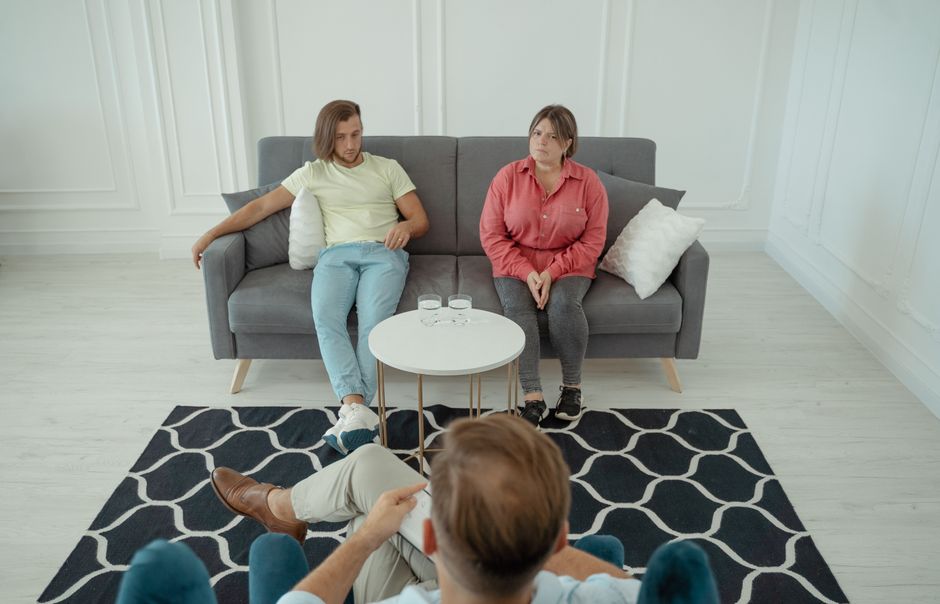
Your first appointment is usually an intake. The therapist asks background questions: how long you've been together, what brought you to counseling, what each of you hopes will change. They're not digging for ammunition or taking sides. They're building a picture of your relationship.
You might not solve anything in session one. That's normal. The real work starts once the therapist understands your dynamic and begins teaching you skills to communicate differently.
Come prepared to be honest. If you're angry at your partner, say so. If you're scared the marriage won't survive, admit it. Therapy only works if you're willing to show up authentically.
When Online Counseling Works Best
Online marriage counseling is ideal if you're:
Busy and need flexible scheduling
Uncomfortable with in-person sessions or living far from therapists
Dealing with communication issues you want to address before they explode
Trying to rebuild trust after infidelity or broken promises
Feeling disconnected and wanting to rediscover intimacy with your partner
Engaged and wanting premarital guidance before you marry
If your relationship involves abuse of any kind, in-person crisis counseling or safety planning with local resources may be necessary first. Online therapy is powerful, but it's not a substitute for immediate safety.
Getting Started: Your Next Steps
Start by getting clear on what you want from counseling. Are you trying to save your marriage? Improve communication? Heal from an affair? Work through sexual dysfunction? The clearer you are, the better you can match with a therapist who has expertise in that area.
Talk to your partner about trying counseling. Approach it as a team decision, not as "you need therapy." Frame it as "I want us to be better, and I think talking to a professional could help." Most people are more open to counseling when they feel it's about improving the relationship, not fixing them.
Then search for licensed therapists in your area who offer online couples counseling. Many have websites that explain their approach and specialties. Read through a few and schedule a free consultation call with your top choice. That 15-minute chat tells you a lot about whether they're the right person to work with.
If you're looking for a therapist who specializes in rebuilding marriage after betrayal, reconnecting sexually, or healing communication patterns, The Art Of Relationships offers personalized one-on-one sessions designed for exactly that kind of deep relationship work.
Common Questions About Online Marriage Counseling
Is online marriage counseling as effective as in-person therapy?
Yes. Research on remote therapy shows it works just as well as face-to-face counseling for couples. What matters most is that you're with a licensed therapist you trust, showing up consistently, and both partners are willing to do the work. The medium is less important than the commitment.
What if my partner doesn't want to go to counseling?
You can still do individual therapy to work on your part of the dynamic. A therapist can help you communicate better, set boundaries, and decide what you need from the relationship. Sometimes one partner going to counseling opens the door for the other to join later.
How long does marriage counseling usually take?
It depends on what you're working on. A couple addressing communication issues might see improvement in 8-12 weeks. Couples recovering from infidelity often need 6 months or longer to rebuild trust. Your therapist will give you a better timeline after hearing your situation.
Can we do online counseling if we live in different states?
Yes, as long as the therapist is licensed in at least one of your states. Some therapists are licensed in multiple states specifically to serve couples in different locations. Always confirm licensing before booking.
Comments