

Marriage & Family Counseling: What It Is and When to Seek It

Marriage and family counseling is professional guidance from a licensed therapist who helps couples and families navigate conflict, communication problems, emotional distance, and tough decisions together. Think of it as having a trained referee in the room who isn't picking sides but instead helping everyone understand each other better.
If you and your partner are arguing about the same things over and over, struggling to be heard, or just feeling miles apart emotionally, counseling can be the reset button you need. Here's what you should know about how it works and whether it's right for your situation.
When Marriage and Family Counseling Makes Sense
You don't need to wait until your relationship is in crisis to seek help. In fact, the earlier you address problems, the easier they are to fix.
Common reasons couples and families reach out for counseling include:
Constant bickering about money, chores, parenting, or in-laws
Feeling emotionally disconnected or like roommates rather than partners
Communication breakdowns where you can't seem to hear each other
Recovering after infidelity or betrayal
Family conflict involving kids, teens, or extended family members
Major life transitions like blended families, moving, or job changes
Individual struggles (anxiety, depression, past trauma) affecting the relationship
You might also consider counseling before a crisis hits. Some couples work with a therapist during engagement to build a strong foundation or when they notice small cracks forming before they become large breaks.
How Marriage and Family Counseling Works
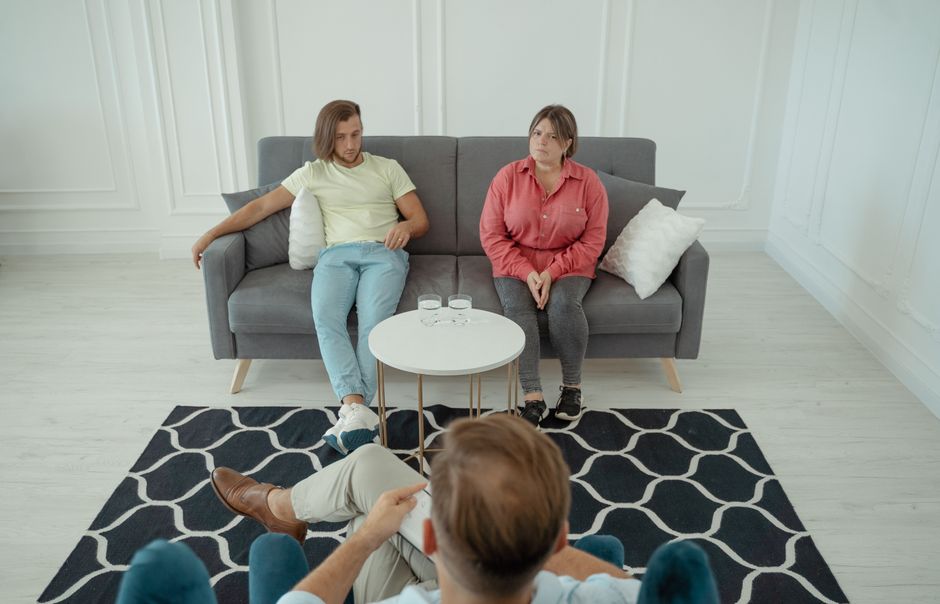
A licensed therapist meets with you in a safe, non-judgmental space. Sessions typically happen weekly and last about 50 minutes. Some therapists offer both in-person appointments and fully remote options, so you can pick whatever fits your life.
The therapist isn't there to take sides or tell you what to do. Instead, they help you and your partner (or family members) understand each other's perspectives, identify patterns that aren't working, and build new skills for talking through tough topics. Think of it as learning a new language for how you communicate.
You might work on things like:
Learning to listen without immediately defending yourself
Expressing needs clearly instead of hinting or getting frustrated
Understanding what's really driving the conflict (often it's not what you think)
Rebuilding trust and emotional safety
Making decisions together as a team
If kids or teens are involved, many counselors work with the whole family system to make sure everyone feels heard and understood. Sometimes individual sessions help too, especially if one person is working through something specific like past trauma or depression.
What to Expect in Your First Session
Your first appointment is about getting to know the therapist and them getting to know your situation. Come ready to be honest about what's been going on.
The therapist will ask questions like: What brought you in today? When did things start feeling difficult? What have you already tried? What does a healthy relationship look like to you?
This isn't an interrogation. It's just the therapist gathering information so they can create a plan that actually matches your needs. If you don't click with the therapist or feel comfortable, that's okay too. You can ask for a referral or try someone else.
In-Person vs. Remote Counseling
Both formats work. In-person sessions let you sit with the therapist face-to-face in their office, which many couples find grounding and real. Remote counseling means you log in from home (or anywhere you have privacy), which makes it easier to fit into a busy schedule and removes barriers like travel time.
The key is choosing what feels most comfortable and realistic for you. If you have kids at home or a chaotic schedule, remote might be easier. If you want that in-person presence and separation from your everyday space, go for the office session.
Either way, you're working with a licensed professional in a confidential setting dedicated to your healing.
How to Find a Marriage and Family Counselor
Start by looking for licensed therapists in your area who specialize in couples or family work. You can ask your doctor for a referral, check with your insurance to see who's covered, or ask trusted friends if they've had good experiences.
When you reach out, ask about their approach, their experience with the specific issues you're facing, what their fees are, and whether they take insurance. It's totally fair to ask questions before you book.
If you're looking for someone who specializes in relationship healing, infidelity recovery, or rebuilding intimacy after hardship, The Art Of Relationships offers personalized counseling designed specifically for couples navigating these challenges. You can explore options that fit your needs and timeline.
What Counseling Costs and Insurance
The cost of marriage and family counseling varies depending on where you live, the therapist's experience, and whether you're paying out of pocket or using insurance. Many therapists accept insurance, which means you'll pay only your copay or coinsurance. It's worth checking with your insurance plan to understand your coverage.
Some therapists also offer sliding scale fees if cost is a barrier. Don't be shy about asking what financial options are available.
Signs It's Time to Get Help
You don't need permission or a "rock bottom" moment to seek counseling. But here are some signs that professional help could really benefit you:
You're repeating the same fights with no resolution
You've stopped trying to solve problems because it feels hopeless
You're sleeping in separate rooms or avoiding time together
You're thinking about leaving but aren't sure
You have kids who are picking up on tension and acting out
One person has been unfaithful and you're trying to rebuild
You're struggling to feel emotionally or physically close
Counseling isn't a sign of failure. It's a sign you care enough about your relationship to invest in it. That takes courage.
Getting Started: Your First Steps
First, have a conversation with your partner about the idea of counseling. Be honest: "I think we could use some help. I miss feeling close to you, and I'd like us to figure this out together." Most people respond better to this than to blame or criticism.
Then research therapists in your area or online. Read their bios, check if they take your insurance, and don't hesitate to call a few to see who feels like the right fit.
Book your first appointment. That's it. You've taken the hardest step, which is deciding you want things to get better. The Art Of Relationships specializes in helping couples move from stuck and frustrated to connected and hopeful. Whether you work with them or another counselor, the important thing is that you start.
What if my partner won't go to counseling?
This is tough, but you have options. You can go alone and work on your own communication, boundaries, and emotional health. Individual therapy can actually change relationship dynamics because you're showing up differently. You can also try inviting your partner one more time, explaining why it matters and what you hope to get out of it. Sometimes people say no until they realize you're serious.
How long does marriage and family counseling take?
It depends on what you're working through and how motivated you both are. Some couples see real improvement in 6 to 12 sessions. Others need longer, especially if they're recovering from infidelity or major trust breaks. Your therapist will help you set realistic goals and measure progress along the way.
Is counseling confidential?
Yes. Therapists are bound by strict confidentiality laws. What you say in that room stays there. The only exceptions are if someone is in immediate danger of harming themselves or others, or in cases involving child abuse. Your therapist will explain these limits upfront.
Can counseling actually fix a broken marriage?
Counseling doesn't fix anything on its own. What it does is give you and your partner the tools, understanding, and safe space to fix things together. You still have to do the work: listen differently, speak more honestly, show up for each other. But with professional guidance, that work becomes way less lonely and way more effective. A lot of couples are shocked at how much things improve when they actually understand each other.


Comments