

In-Person Couples Therapy Near Me: Find the Right Therapist

When your relationship hits a rough patch, sometimes you need more than just advice from friends. In-person couples therapy gives you and your partner a safe space to work through conflicts, rebuild trust, and reconnect with each other face-to-face. If you're searching for in-person couples therapy near me, you're already taking the hardest step: admitting you need help.
What In-Person Couples Therapy Actually Does
Couples therapy isn't about a therapist picking a side or telling you what to do. It's about learning how to communicate better, understand each other's needs, and solve problems as a team. A licensed therapist creates that safe space where both of you can be honest without fear of judgment.
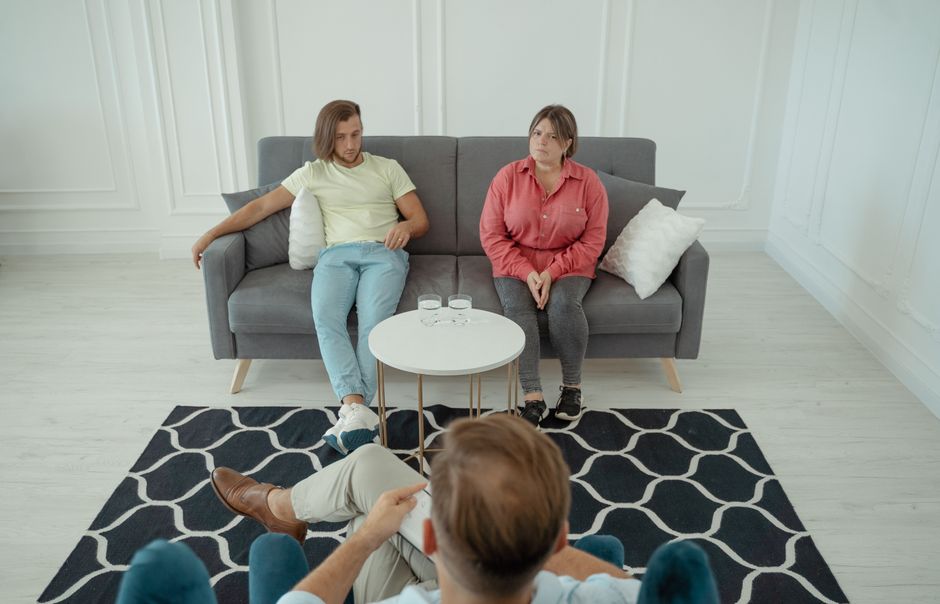
In-person sessions give you something online can't fully replace: real presence. You can read each other's body language, sit in the same room with a trained professional, and work through conflict in real time. This matters more than you might think.
How to Find a Licensed Therapist in Your Area
Start by being clear about what you're looking for. You want a licensed mental health professional who specializes in couples or marriage counseling, not just general therapy. Many therapists have websites where you can read about their approach, watch introductory videos, and get a sense of their personality before you call.
Make a list of 3-5 therapists near you, then reach out. Most offer free initial consultations where you can ask questions like: How do you handle infidelity? What's your approach to communication issues? Do you work with couples like us? Use this conversation to decide if they feel like the right fit.
If you're not sure where to start, The Art Of Relationships can help you figure out what kind of support makes sense for your situation and get you pointed in the right direction.
What to Expect in Your First Session
Your therapist will likely ask you both to describe what brought you in. Be honest. They'll want to understand your relationship history, what's working, and where things have broken down. This isn't about blame, it's about getting the full picture.
Don't expect miracles in session one. You're building a relationship with your therapist and establishing trust. Real change takes time and consistency. Most couples benefit from weekly sessions, though your therapist might recommend something different based on your needs.
Bring any major relationship concerns to the table: communication problems, intimacy issues, unresolved conflict, or rebuilding after betrayal. The more specific you are, the better your therapist can help.
Questions to Ask When Choosing a Therapist
Are you licensed? (Look for credentials like LMFT, LCSW, or Psy.D.)
How much experience do you have working with couples?
What's your approach to specific issues we're facing?
Do you accept insurance or offer flexible payment options?
How often do you recommend we meet?
What should we do between sessions to support our progress?
Making the Most of In-Person Therapy
Show up on time and come ready to participate. This isn't passive. Your therapist guides the conversation, but you and your partner do the real work. Talk to each other, not just to the therapist.
Be willing to hear hard truths about yourself. Couples therapy works best when both partners are open to growth and change. If you're going in hoping the therapist will prove you right and your partner wrong, you're already losing.
Practice what you learn between sessions. A good therapist gives you tools and homework. Use them. Talk about your feelings when you're not in crisis. Learn to argue in a healthier way. Rebuild physical affection if that's been lost.
If you're dealing with serious issues like infidelity or loss of intimacy, make sure your therapist has experience in those areas. Not all therapists specialize in every type of relationship crisis, and you deserve someone who knows how to help.
In-Person vs. Online Therapy: What's the Difference?
In-person sessions offer presence and connection that can be powerful for couples work. You're in the same room, dealing with real-world dynamics. Some couples also find it easier to stay committed to therapy when they have to physically show up.
Online therapy works for some couples, especially if scheduling or location is a barrier. But if you have the option and your relationship needs serious repair work, in-person tends to create better results. You get more from being physically present together.
Many therapists now offer both, so you can ask if flexibility is an option as you move forward. If you need help sorting through whether in-person therapy is right for you and your partner, The Art Of Relationships specializes in getting couples clarity on their next steps.
Red Flags: Therapists to Avoid
If a therapist seems to have picked a favorite (you or your partner), that's a problem. If they're not listening to both sides or they're judgmental about your situation, trust your gut and find someone else.
Avoid therapists who don't have proper licensing or who avoid talking about fees upfront. You should know what you're paying for and understand their qualifications. If something feels off in the first session or two, it's okay to try someone else.
A good therapist will feel warm, professional, and genuinely interested in helping you both succeed. They'll explain their approach and make sure you understand how therapy works.
Insurance and Payment Options
Many therapists accept major insurance plans, which can help with coverage. Always ask about this during your initial consultation. If insurance doesn't cover it or you don't have insurance, ask about sliding scale fees or payment plans.
Some therapists work with multiple insurance providers, while others are out-of-network. Either way, knowing upfront what you'll pay removes stress and helps you plan your budget.
Next Steps to Get Started
Make a decision to try therapy. This takes courage, but your relationship is worth it. Search for licensed couples therapists in your area, read their profiles, and start reaching out. Have that initial conversation. See if you vibe with them.
Talk to your partner about what you both hope to get from therapy. Are you trying to rebuild trust? Improve communication? Reconnect? The clearer you both are about your goals, the better your therapist can help you reach them.
If you want professional guidance on what type of support your relationship actually needs right now, The Art Of Relationships offers personalized consultations to help you understand your options and take the next right step together.
People Also Ask
How much does couples therapy cost?
Therapy costs vary depending on your therapist's experience, location, and whether you use insurance. Some therapists charge per session, others work with your insurance. During your first consultation, ask directly about fees so there are no surprises. Many therapists offer payment plans if cost is a barrier.
How long does it take to see results in couples therapy?
Most couples notice small improvements within a few weeks if they're both engaged and practicing what they learn. Bigger changes take longer, sometimes several months or more. Healing after serious issues like infidelity requires patience and consistent work.
What if my partner doesn't want to go to therapy?
This is tough. You can't force someone into therapy, but you can express how much it matters to you. Sometimes one partner will agree to a session just to see what it's like. If your partner refuses and your relationship is in crisis, individual therapy can still help you gain clarity and decide what you need moving forward.
Can couples therapy actually save a marriage?
Therapy gives you the tools and space to rebuild your relationship, but both partners have to be willing to do the work. If you're both committed to change and healing, therapy absolutely helps. If one person has already checked out, therapy is harder but still valuable for honest conversations about where things stand.


Comments