

Marriage Counselling: When to Go and What to Expect

Marriage counselling helps couples improve communication, rebuild trust, and figure out if they want to move forward together. It's not a sign of failure. It's an investment in your relationship.
If you're here, you're probably wondering whether counselling is right for you, what it actually involves, and whether it's worth your time and energy. The short answer: it can be transformative if you're both willing to show up.
What Marriage Counselling Actually Does
Marriage counselling isn't about a therapist taking sides or telling you what to do. Instead, a trained counselor acts as a coach who helps you and your partner understand each other better, work through conflict, and decide what comes next.
Think of it this way: you wouldn't try to fix your car without knowing what's wrong with it. Counselling helps you diagnose what's broken in your relationship—whether that's poor communication, unresolved hurt from infidelity, lost intimacy, or just years of not really talking to each other.
The goal is to move you from conflict toward connection. That might mean learning new communication skills, processing painful events, rebuilding emotional safety, or simply gaining clarity about whether the relationship can work.
When to Consider Marriage Counselling
You don't have to wait until your relationship is on life support. Here are the main situations where counselling makes sense.
After infidelity. An affair shatters trust. Counselling helps you both process the betrayal, understand why it happened, and decide if you can rebuild.
Communication breakdown. You feel like roommates instead of partners. You argue about everything or avoid talking altogether.
Loss of intimacy. The physical and emotional connection has faded. You're not sure how to get it back.
Major life transitions. A new job, kids, a move, or health crisis has put stress on your marriage.
Unresolved resentment. You're holding onto hurt from months or years ago, and it's poisoning everything.
Before engagement or marriage. Some couples seek premarital counselling to build a strong foundation and learn how to handle conflict together.
If you're unsure whether your situation warrants help, here's the real test: Is your relationship important to you? Are you both willing to work on it? If yes to both, The Art Of Relationships can guide you toward healing and clarity.
What Happens in a Marriage Counselling Session
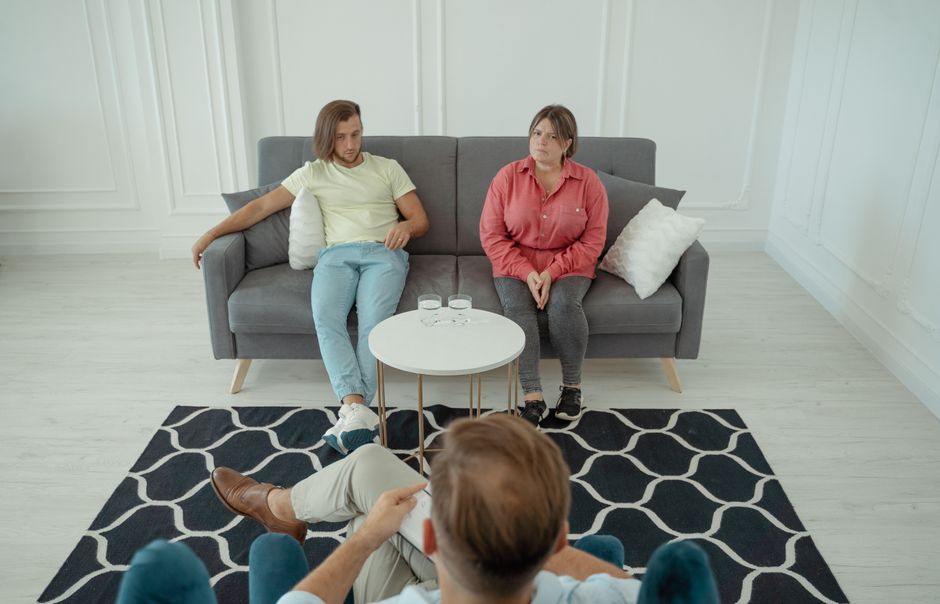
Your first session usually involves both of you and the counselor. Expect to spend time explaining what brought you in and what you hope to get out of counselling.
The counselor will listen to both sides without judgment. They're not keeping score or deciding who's right or wrong. Their job is to understand the patterns, the hurt, and the hopes underneath the conflict.
Subsequent sessions dig deeper. You might learn specific communication techniques, process a painful conversation, or explore patterns from your past that show up in your marriage. The counselor might suggest exercises to practice at home or homework to reflect on between sessions.
Sessions are usually 50-60 minutes, and most couples start with weekly appointments. As you improve, you might space them out or shift to monthly check-ins.
The format is flexible too. You can meet in person or online, depending on your schedule and comfort level.
Common Approaches Used in Marriage Counselling
Different counselors use different methods. Two of the most established approaches are the Gottman Method and Emotionally Focused Therapy (EFT).
The Gottman Method focuses on identifying negative patterns in how couples interact—like criticism, defensiveness, contempt, and stonewalling—and replacing them with healthier behaviors. It's very structured and evidence-based.
Emotionally Focused Therapy emphasizes the emotional bonds between you and your partner. It helps you understand the deeper fears and needs driving your conflict, so you can connect on a more vulnerable level.
Some counselors blend approaches or tailor their method to what you need. The key is finding someone whose style resonates with you and your partner.
How to Know if Marriage Counselling is Working
Progress doesn't always feel linear. Early on, you might feel worse before you feel better—because you're finally naming the hard stuff that's been lurking beneath the surface.
But after a few weeks or months, you should notice shifts: You're arguing less or fighting more productively. You understand each other's perspective. You feel more safe or connected. You're able to laugh together again.
If you're not seeing any improvement after two or three months, it might be worth checking in with your counselor or considering a different approach. Fit matters. If the chemistry isn't right, it's okay to look elsewhere.
Making the Decision to Start
The hardest part is often just deciding to take the first step. You might worry about cost, feel embarrassed, or wonder if your partner will agree.
Talk to your partner about what you're noticing in your relationship. Be honest, not accusatory. "I miss how close we used to feel" lands better than "You never pay attention to me." Suggest counselling as something you're willing to invest in together.
If your partner is hesitant, that's normal. Give them time. Sometimes sharing an article or talking about what you hope to gain from counselling helps them see it's not about blame—it's about reconnection.
When you're ready to move forward, The Art Of Relationships specializes in marriage therapy and affair recovery for couples like you. Licensed counseling, personalized sessions, and a compassionate approach to healing are all part of what's offered.
FAQs About Marriage Counselling
Will marriage counselling fix my relationship?
Counselling gives you tools and clarity, but it doesn't automatically fix things. You and your partner have to be willing to show up, be honest, and change patterns that aren't working. If you're both committed, counselling dramatically increases the odds that your relationship can heal and thrive.
How long does marriage counselling take?
It depends on what you're working through. Some couples see results in a few months. Others work with a counselor for a year or longer, especially after infidelity or deep resentment. Your counselor will give you a sense of the timeline after the first few sessions.
Can marriage counselling make things worse?
Counselling brings buried feelings to the surface, which can feel uncomfortable or intense at first. That's not the counselling failing—that's the healing process. If your relationship is actually getting worse over many weeks, that's a sign something needs to change, either in your approach or your counselor.
What if my partner won't go to counselling?
If your partner refuses, you have options. Some people start with individual therapy to sort out their own feelings and decide what they need. If your partner later becomes open to couples counselling, you'll have a clearer picture of what you want. Either way, taking action—rather than waiting—often shifts the dynamic.
Comments