

Marriage Counseling: A Guide to Rebuilding Your Relationship

Marriage counseling is a form of psychotherapy that helps couples recognize and resolve conflicts so they can improve their relationship together. It's not about one person being right or wrong. It's about creating a structured, safe space where both of you can slow down, listen, and actually be heard.
Whether you're dealing with communication breakdowns, lost intimacy, infidelity, or just feeling disconnected, The Art Of Relationships and other licensed professionals can help you navigate the hard stuff and rebuild what's broken.
What Marriage Counseling Actually Does for Your Relationship
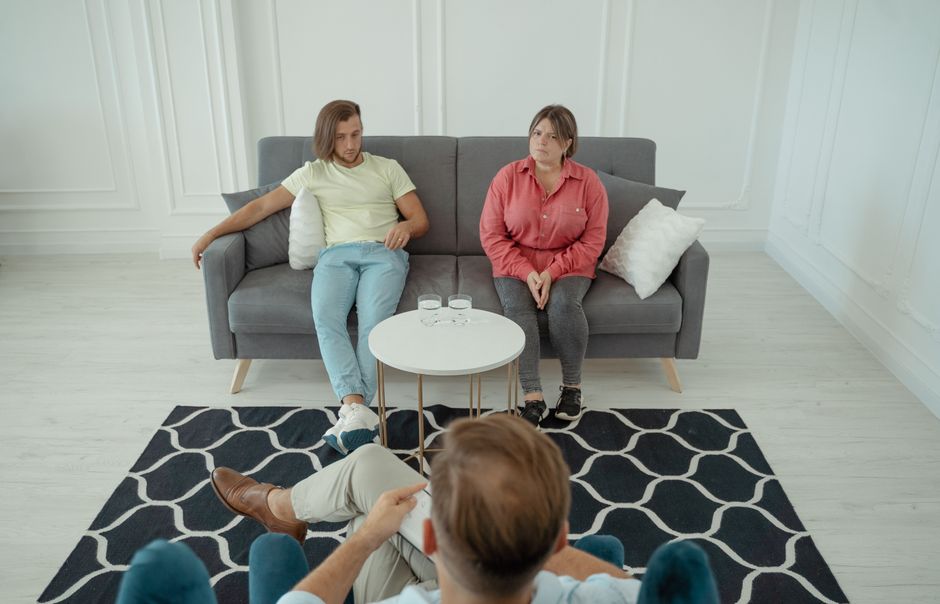
Think of marriage counseling as a place where your therapist acts as a referee and guide at the same time. They're not there to take sides or judge either of you. Their job is to help you both communicate better, understand each other's needs, and work toward solutions that actually stick.
The main benefit? A trained therapist teaches you real tools you can use at home. Most couples benefit from learning improved communication techniques that replace old, painful patterns. Instead of shutting down or arguing in circles, you learn how to express what you actually need without attacking your partner.
Marriage counseling works because it slows things down. When you're in conflict, emotions run high and defensiveness kicks in. A therapist helps you pause, reflect, and respond instead of react. That shift changes everything.
Who Benefits from Marriage Counseling?
Here's the honest truth: counseling isn't just for couples in crisis. Couples at every stage benefit from it.
Couples dealing with infidelity and rebuilding trust after betrayal
Couples struggling with constant conflict or silent treatment
Couples who have lost emotional or physical intimacy
Engaged couples wanting to build a strong foundation before saying "I do"
Couples feeling disconnected and not sure how to reconnect
Couples navigating major life changes like kids, career shifts, or loss
The key thing to know: your marriage doesn't have to be falling apart for counseling to help. Even relatively healthy couples see real benefits from working with a therapist. You get tools and clarity that prevent small issues from becoming big ones.
What to Expect in Your First Session
Walking into your first session can feel awkward or nerve-wracking. That's normal. Your therapist will spend time understanding your story, what brought you in, and what you're hoping to change.
They'll ask about your relationship history, what's working, what isn't, and what each of you needs going forward. This isn't interrogation. It's just them getting context so they can help you both effectively.
Most marriage counselors structure sessions around helping you talk to each other in healthier ways. You're not sitting in silence while your therapist does all the talking. You're actively practicing new communication skills right there in the room, with professional guidance.
Finding a Licensed Marriage Counselor
Not all therapists are the same. You want someone who is specifically trained in couples work, not just individual therapy. Look for a Licensed Marriage and Family Therapist (LMFT). These professionals typically hold master's or doctoral degrees in psychology, counseling, social work, or marriage and family counseling.
Becoming a licensed LMFT requires significant training. Most go through approximately four years of formal education plus several more years of supervised practice. This training includes specific work on how couples communicate, how to address infidelity, how to rebuild intimacy, and how to resolve conflict in ways that actually last.
The investment in proper training matters. You want someone who knows the research on what works, who has seen hundreds of couples, and who can guide you based on evidence and experience, not just intuition.
Marriage Counseling vs. Divorce Attorney (Know the Difference)
Don't confuse marriage counseling with family law. A divorce attorney helps you end a marriage. A marriage counselor helps you save or strengthen one. These are completely different paths, and you need to know which one you're choosing.
If you're still willing to fight for your marriage, counseling is your move. If you've decided the relationship is over, a lawyer is the right resource. Be honest with yourself about where you are.
The Real Work: What Happens Between Sessions
Here's something people don't always expect: the real work happens at home, not in your therapist's office. Your counselor gives you tools and insights, but you have to actually use them. That means having uncomfortable conversations, trying new ways of responding, and choosing connection even when it's hard.
If you and your partner go to counseling but don't practice the skills outside the session, you'll see limited results. But when you're both committed to doing the work, things change. You start feeling understood. Conflict becomes less explosive. Intimacy returns. Trust rebuilds.
The timeline varies. Some couples see meaningful shifts in 8 to 12 sessions. Others need more time, especially if you're recovering from infidelity or deep disconnection. It depends on how damaged the relationship is and how willing both of you are to change.
How to Know If Marriage Counseling Is Right for You
Ask yourself these questions:
Do I want to fix this relationship?
Is my partner willing to work on this too?
Am I stuck in patterns that I can't seem to break on my own?
Do I feel unheard or misunderstood in this relationship?
Is there trust damage that needs professional help to repair?
If you answered yes to more than one, counseling could be exactly what you need. The beauty of working with a skilled therapist is that you don't have to figure this out alone anymore.
Whether you're in Detroit or anywhere else, professional marriage counseling helps couples at different stages and crisis levels. If you're ready to stop struggling and start healing, The Art Of Relationships offers personalized guidance specifically designed to rebuild emotional safety, improve communication, and help you both feel connected again.
Common Questions About Marriage Counseling
How long does marriage counseling usually take?
There's no one-size-fits-all answer. Some couples see improvement in 6 to 12 sessions. Others benefit from longer-term work, especially if they're dealing with infidelity, deep trust wounds, or years of disconnection. Your therapist will give you a sense of timeline after the first few sessions.
Will my therapist tell me whether to stay or leave?
No. A good marriage counselor won't make that decision for you. Their job is to help you communicate better, understand each other, and make decisions from a clearer place. The choice to stay or go is always yours and your partner's.
What if my partner doesn't want to go to counseling?
That's a real barrier, and it's worth having a direct conversation about why they're hesitant. Some people see counseling as a sign of failure. Others are scared or defensive. You might suggest going together just to try it once, or starting with individual therapy yourself to get clarity on what you need. Sometimes one person doing the work creates enough change that the other person becomes more open.
Is marriage counseling confidential?
Yes. What you and your partner share with your therapist is private and protected by law, with very limited exceptions (like if someone is in immediate danger). You can be honest without worrying that your words will be used against you later.
Comments