

Couples Marriage Counseling: A Guide to Healing Together

Couples marriage counseling is professional guidance designed to help you and your partner understand each other better, communicate more effectively, and rebuild trust after conflict or betrayal. A trained marriage counselor works with both of you in structured sessions to identify what's broken and give you real tools to fix it.
If your relationship feels stuck, distant, or fractured, counseling can be the turning point. It's not a sign of failure. It's actually a sign that you both care enough to fight for what you have.
Why Couples Marriage Counseling Works
The core reason counseling helps is simple: you get a neutral, trained professional in the room with you. That person isn't taking sides. They're listening to both of you and helping you hear each other in ways you've stopped doing on your own.
When you're hurt or angry, your brain doesn't work the same way. You get defensive. You shut down. A counselor helps you step out of that reactive cycle and into a space where real conversation can happen.
Specialized training matters too. Marriage counselors aren't just therapists who dabble in couples work. The best ones have advanced training in how relationships actually function, what breaks them, and what repairs them. The Art Of Relationships brings that depth of expertise to every session, focusing specifically on how couples can heal from betrayal, rebuild intimacy, and reconnect after distance takes over.
What Happens in a Couples Marriage Counseling Session
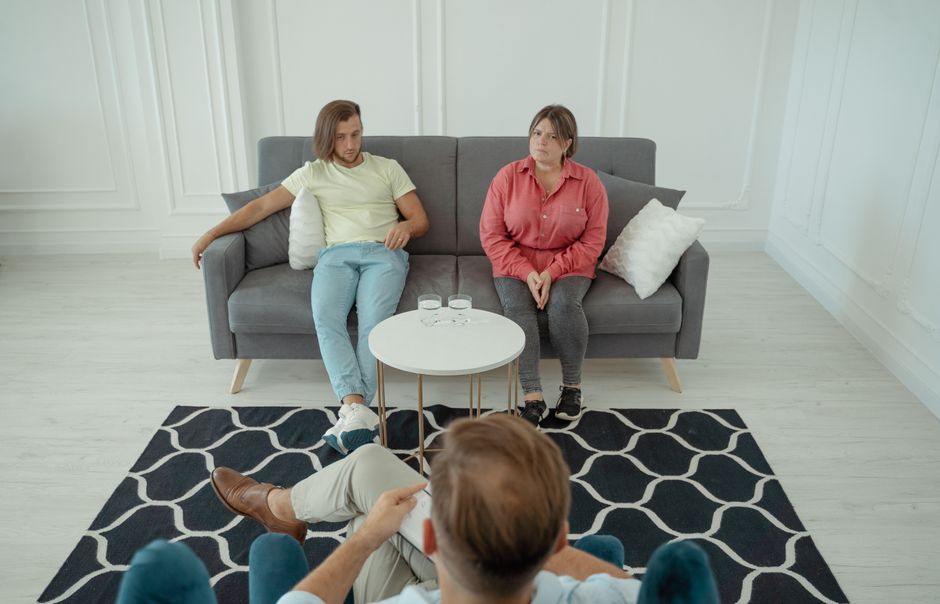
You and your partner sit down together with a counselor. The first session usually focuses on understanding why you're there. What brought you to this point? What do each of you need?
From there, sessions follow a pattern. You might talk about a recent conflict. The counselor will help you both see what actually happened beneath the surface. Often, the real issue isn't what you thought you were fighting about.
Your counselor will teach you communication skills. This sounds basic, but most couples never learned how to actually talk to each other without triggering defensiveness. You'll learn how to express what you need without attacking. You'll learn how to listen without planning your counterattack.
Sessions usually happen once a week for an hour. Consistency matters. Your relationship didn't break overnight, and it won't heal overnight either. Regular sessions create momentum and accountability.
Types of Issues Couples Marriage Counseling Addresses
Marriage counseling helps with a lot of different problems. Here are the most common ones:
Infidelity and betrayal. If one partner has had an affair, the trust shattered. Counseling helps you both process the pain and decide if the relationship is worth rebuilding. This is often the hardest work, but it's possible.
Communication breakdown. You feel like you're talking past each other. Nothing gets resolved. Arguments go in circles. A counselor teaches you how to actually connect.
Lost intimacy. Physical or emotional closeness has disappeared. You feel more like roommates than partners. Counseling helps you understand why and how to rebuild that connection.
Conflict patterns. You fight about the same things over and over. One person criticizes, the other shuts down. Or you both get angry and nothing changes. Breaking these patterns takes outside help.
Life transitions. A new baby, job loss, health crisis, or major change has thrown your relationship off balance. Counseling helps you navigate it together instead of separately.
Premarital preparation. Couples often come to counseling before marriage to make sure they're aligned on big issues and to learn healthy communication early.
How to Find the Right Couples Marriage Counselor
Not every therapist who says they do couples work is equally skilled. Look for someone with specialized training in marriage and couples therapy. They should have experience with the specific issues you're facing.
Location and format matter too. You can work with a counselor in person at their office, which many couples prefer because it creates a dedicated space separate from your home. Some couples also explore online counseling for flexibility, especially if scheduling is tight.
Interview the counselor before committing. Ask about their experience. Ask what their approach is. Do they believe in reconciliation, or are they neutral? Do they specialize in trauma and betrayal, or general communication? You want someone who gets your situation.
Trust your gut. If you don't feel heard in the first session, try someone else. The relationship between you and your counselor matters just as much as the techniques they use.
Starting Couples Marriage Counseling: What to Expect
The first step is deciding together that you want to try. This matters. If one person is dragging the other into counseling against their will, it's much harder to work. Both of you need to show up willing, even if one of you is skeptical.
Be honest from the start. Tell your counselor what's really going on. The messier and more real you are, the more they can help. They've heard it all before, and they're not there to judge you.
Come ready to listen to your partner's side. You might hear things that hurt or surprise you. That's often where the real work begins. When you understand what your partner actually needs, everything shifts.
If you're ready to get started and want someone who specializes in helping couples through crisis and reconnection, The Art Of Relationships offers personalized sessions designed to heal the specific wounds in your marriage and rebuild what's been lost.
How Long Does Couples Marriage Counseling Take
This depends on what you're dealing with and how committed you both are to change. Some couples see results in 6 to 8 weeks. Others need 3 to 6 months of consistent work. If you're recovering from infidelity, it typically takes longer because the trust rebuilding process is slower.
Your counselor will give you a sense of the timeline after a few sessions. The goal isn't to be in counseling forever. It's to get you to a place where you can handle conflicts and challenges on your own, using the tools you've learned.
Many couples come back for tune-up sessions later if new issues pop up or if they hit another rough patch. That's totally normal and healthy.
Couples Marriage Counseling vs. Individual Therapy
Individual therapy focuses on one person's issues. Marriage counseling focuses on the relationship itself. Sometimes couples need both. You might work individually on your own trauma or patterns, and together on how those patterns show up between you.
The key difference is that in couples counseling, the relationship is the client, not either individual person. The counselor isn't trying to figure out who's right or wrong. They're trying to help you both understand the dance you're doing together and teach you a new one.
Making the Most of Your Sessions
Show up on time. Take notes if something lands with you. Practice what you learn between sessions, even if it feels awkward at first.
Be willing to be vulnerable. Counseling only works if you're honest about what you're feeling underneath the anger or resentment. That's hard, but it's also what creates real change.
Give it time. The first few sessions might feel awkward or pointless. Stick with it. Breakthroughs usually come around session 4 or 5, once you've built some trust with your counselor and stopped performing for each other.
Frequently Asked Questions About Couples Marriage Counseling
Will couples marriage counseling save my marriage?
Counseling gives you the best chance. It provides tools, clarity, and professional guidance. But both partners have to want it and be willing to change. If one person has already checked out or isn't willing to do the work, counseling can't force them to stay. What it can do is help you both understand what's possible and make a clear decision about the future, whether that's staying and rebuilding or separating respectfully.
What if my partner doesn't want to go to couples marriage counseling?
This is common and frustrating. You can't force someone into counseling. But you can have a conversation about why they're resistant. Often it's fear, shame, or the feeling that counseling means admitting defeat. Sometimes going to one session with a good counselor shifts that. You can also try individual counseling first and talk about what you're learning, which sometimes opens the door to couples work.
How much does couples marriage counseling cost?
The cost varies based on the counselor's experience, location, and whether you're doing in-person or online sessions. Many insurance plans cover marriage counseling if the counselor is licensed and in-network. Ask your potential counselor about their rates and what might be covered. You can also reach out directly to The Art Of Relationships to discuss what works for your situation and budget.
Can couples marriage counseling help after infidelity?
Yes. In fact, many couples do their most important work in counseling after an affair. It's not quick or easy, but couples can rebuild trust and sometimes end up with a stronger relationship than before. The unfaithful partner has to take full responsibility, show genuine remorse, and be willing to answer hard questions. The hurt partner has to be willing to listen and consider forgiveness. A specialized counselor helps both of you navigate that painful process.
Comments