

Couples Counseling Detroit: Find Help for Your Relationship

If you're looking for couples counseling in Detroit, you're already taking the hardest step: admitting that your relationship needs professional support. Whether you're dealing with infidelity, communication breakdowns, lost intimacy, or just feeling disconnected from your partner, therapy can help you both find your way back to each other.
The good news? Detroit has solid resources for couples therapy, and you don't have to figure this out alone. Let's walk through what couples counseling actually is, how to find the right fit, and what to expect when you walk into that first session.
What Couples Counseling Actually Does
Couples counseling is different from individual therapy. It's not about one person being "right" or "wrong." Instead, a licensed therapist works with both of you together to understand how you communicate, where conflict shows up, and how to rebuild connection.
A good couples counselor will help you:
Recognize patterns that keep you stuck (like who shuts down first or who always brings up the same fight).
Learn new ways to talk about hard topics without attacking each other.
Understand what your partner actually needs from you.
Rebuild trust after betrayal or hurt.
Reconnect emotionally and physically.
The therapist isn't there to take sides. They're there to help you both feel heard and understood, which is often the first step toward healing.
Finding a Couples Counselor in Detroit
Detroit has multiple counseling centers and independent therapists who specialize in relationship work. Here's how to narrow down your options.
Start by asking what they specialize in. You want a therapist who has specific experience with your issue. If you're rebuilding after an affair, for example, you need someone trained in affair recovery, not just general couples therapy. Same thing if you're struggling with intimacy or communication.
Check if they're licensed. In Michigan, make sure your counselor holds an active license. Licensed Professional Counselors (LPCs), Marriage and Family Therapists (MFTs), and psychologists (with certain credentials) are all qualified to do couples work. Verify their license on the Michigan Department of Licensing and Regulatory Affairs website.
Ask about their approach. Different therapists use different methods. Some focus on communication tools. Others work on emotional connection first. Some use structured exercises. Find someone whose style matches what you and your partner need. If you want hands-on, practical guidance focused on rebuilding your relationship, The Art Of Relationships offers personalized counseling designed to help couples heal after betrayal and reconnect.
Consider logistics. Do you want in-person sessions or online therapy? How flexible are their appointment times? Can you both make it work around your schedules? Some couples do better in person; others prefer the privacy of online sessions at home.
Understanding Payment and Insurance
Here's the reality: couples therapy costs money, and coverage varies wildly.
Individual therapy is sometimes covered by health insurance, but couples therapy coverage is unpredictable. Some plans cover it; most don't. Check your specific policy before committing to a therapist.
Many counseling centers in Detroit offer sliding scale fees based on your income, which means you pay less if you make less. Some offer payment plans or reduced rates for longer-term work. Ask about this directly when you call.
Think of couples counseling as an investment in your relationship, not an expense. If it helps you avoid divorce or finally feel connected again, it's money well spent.
What Happens in Your First Session
Walking into that first appointment can feel awkward. Here's what typically happens.
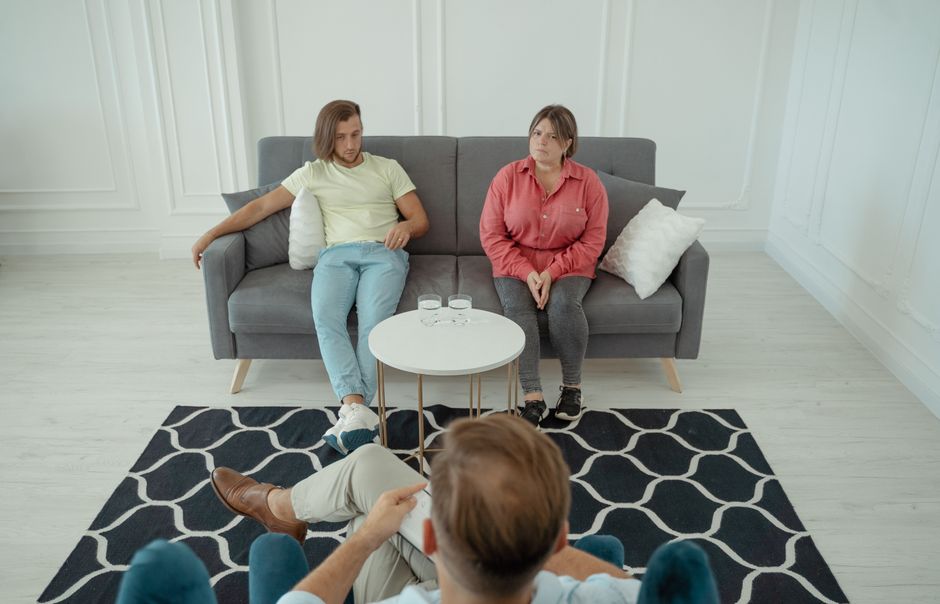
Your therapist will ask about your relationship history, what brought you in, and what you hope to get out of counseling. They'll want to understand what's broken and what you both want to fix. They might ask individual questions to each of you, or they might work with you as a team from the start.
Bring an open mind. The first session isn't about solving everything. It's about the therapist getting to know you both and you feeling comfortable enough to come back.
Be honest. The more real you are about what's happening, the better your therapist can help. There's no judgment here. If you've been having an affair, if you've checked out emotionally, if sex hasn't happened in years, tell them. That's what they're there for.
Commit to trying. Couples counseling only works if both people show up willing to change. If one partner is there just to "keep the peace" or prove the other person wrong, it will feel stuck. You both need to actually want things to be better.
Other Resources Available in Detroit
Beyond private therapists, Detroit area has some additional options to know about.
Catholic Charities offers marriage counseling with a spiritual foundation if faith is important to your relationship. Community mental health centers sometimes have sliding scale or low-cost couples counseling options. You can call around and ask what's available in your neighborhood.
If you're looking for something more intensive or structured, some therapists and organizations offer couples workshops or group seminars focused on specific skills like communication or conflict resolution.
If traditional therapy feels intimidating, The Art Of Relationships also offers self-paced online courses and group seminars designed to help couples heal without the pressure of one-on-one appointments right away. Many people find this a gentler way to start.
Red Flags: When to Look for a Different Therapist
If after a few sessions something feels off, trust that instinct.
A good therapist should:
Never take sides or blame one partner.
Help you both feel heard, even when you disagree.
Give you actual tools and strategies, not just listen and nod.
Check in on progress and adjust their approach if things aren't working.
Respect confidentiality and maintain professional boundaries.
If your therapist is blaming one of you, making you feel worse, or just seems checked out, find someone else. There are plenty of good therapists in Detroit. Don't waste time on one who doesn't feel right.
Making Couples Counseling Actually Work
Here's the truth: counseling only works if you do the work outside the office too.
Your therapist can give you tools and insights, but you're the one who has to practice them at home. That means having hard conversations between sessions. It means trying new ways to connect even when it feels uncomfortable. It means choosing your relationship over being right.
Most couples see results within 8 to 12 sessions if they're committed. Some need longer if they're rebuilding after major betrayal. The timeline depends on how deep the damage is and how willing you both are to change.
If you're ready to stop the cycle and actually fix your relationship, take action now. Reach out to a therapist this week, not next month. The longer you wait, the more damage happens. The sooner you get help, the sooner you can start healing.
People Also Ask
How long does couples counseling take to work?
Most couples start feeling better within 8 to 12 weeks of regular sessions. Some see improvements faster if they're working on communication skills. Others need 6 months or longer if they're rebuilding after infidelity or deep disconnection. It depends on your specific situation and how committed you both are to change.
Will counseling cost a lot of money?
Couples therapy costs vary depending on the therapist, their experience level, and your location in the Detroit area. Many therapists offer sliding scale fees if cost is a concern. Some insurance plans cover therapy, though couples counseling coverage is less common than individual therapy coverage. Call a few therapists and ask about their rates and payment options before committing.
What if my partner doesn't want to go to counseling?
This is really common. Many people resist therapy at first because it feels scary or like an admission of failure. Start by explaining why you think it would help. Use "I" statements: "I feel disconnected and I want us to get help together." If they still refuse, you can try individual therapy to work on your part of the dynamic, which sometimes opens the door for couples work later. But ultimately, both people need to be willing for couples counseling to succeed.
Is couples counseling confidential?
Yes. Licensed therapists in Michigan are bound by confidentiality laws. What you say in the session stays between you, your partner, and the therapist. The only exceptions are if someone is in danger or a child is being harmed. Your therapist should explain these limits at the start of your first session.
Comments