

Online Premarital Counseling: What to Expect & How to Choose

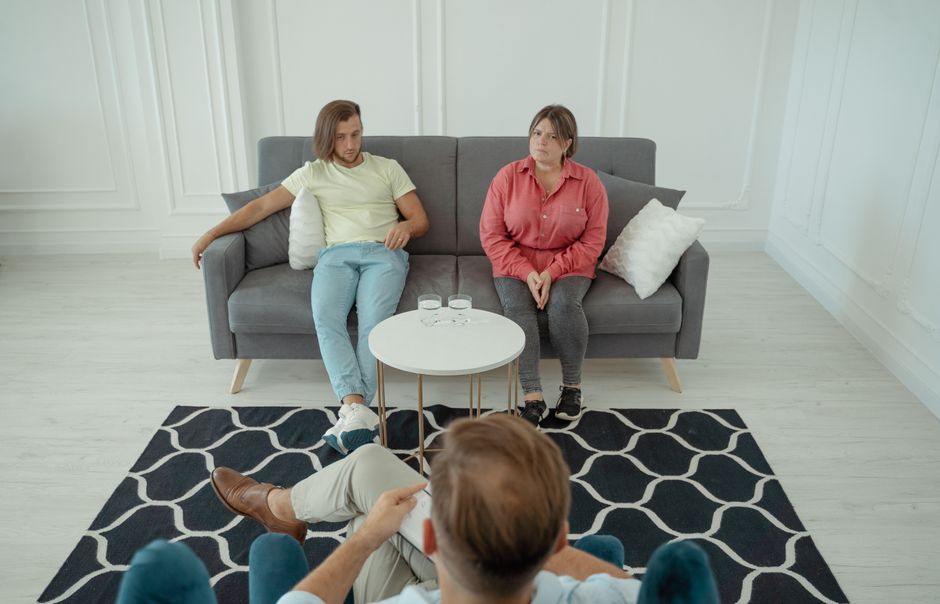
So you're engaged, life is exciting, and you're thinking: should we do premarital counseling? Good instinct. Online premarital counseling is exactly what it sounds like — structured support from a licensed therapist or counselor that helps you and your partner prepare for marriage, all from your couch. No commute. No fancy office. Just real talk about the stuff that actually matters.
Here's the honest truth: couples who do some form of premarital work tend to navigate conflict better, understand each other's expectations, and feel more confident walking down the aisle. And doing it online? That's become legit. No fluff, no retreat center vibes — just practical skill-building on your schedule.
What Online Premarital Counseling Actually Covers
Online premarital counseling isn't about someone telling you whether you should get married. It's about building tools you'll actually use for the next 30+ years.
Most programs focus on a few core areas:
Communication patterns: How you talk to each other when things get tense. How you listen. How you disagree without it turning into World War III.
Conflict resolution: Real strategies for handling money, in-laws, intimacy, chores, kids, religion — the stuff that actually causes friction.
Expectations alignment: You both think marriage means something slightly different. Good premarital work helps you figure that out before resentment builds.
Emotional intimacy: Getting deeper than surface-level conversation. Building trust and vulnerability from day one.
Money talk: Debt, spending habits, financial goals. Boring, but fights about money destroy marriages.
Past relationship patterns: Stuff you bring from your family of origin or exes. Understanding your own baggage helps you not dump it on your partner.
Licensed therapists who offer online premarital counseling assess your relationship from the start, so they're not running you through a cookie-cutter program. They're customizing based on what you actually need.
Online vs. Self-Paced: Which Format Works for You?
This is the big choice, and honest take: both can work. It depends on your style.
Live Virtual Counseling With a Licensed Therapist
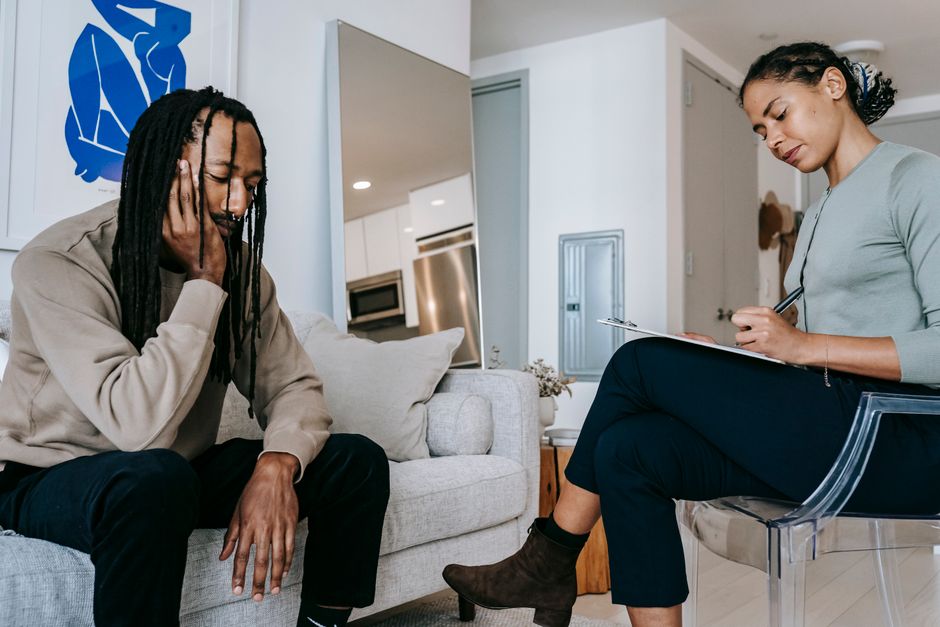
You meet with a real person (usually weekly) via video call. They ask questions, give feedback, and help you work through stuff in real time. You get professional assessment, guidance tailored to your relationship, and someone to call when you're stuck.
This is the gold standard if you or your partner have past relationship trauma, communication issues that feel big, or if you just want expert eyes on your relationship. The Art Of Relationships offers this kind of personalized counseling — a therapist listens, diagnoses what's actually happening, and builds a plan with you.
Typical cost: $70-$90 per session. Length: 8-10 weeks or longer, depending on what you need.
Self-Paced Online Courses
You work through video modules, worksheets, and exercises on your own time. No therapist involved. These are usually cheaper and more flexible if you're busy or have chaotic schedules.
The catch? You're not getting professional feedback. If you hit a wall or realize something deeper is wrong, you're on your own. Self-paced works great for couples who are already communicating well and just want skill-building and relationship prep.
Typical cost: $200-$400 for the whole program. You can move through it in 4 weeks or 12 weeks — your call.
Real Benefits of Doing This Before the Wedding
Why not just figure it out as you go? Because couples who invest in premarital work actually report better outcomes.
You learn conflict resolution before you really need it. When you hit your first real fight (money, sex, time with your parents), you'll have actual tools instead of just yelling or shutting down.
You catch misaligned expectations early. Maybe you both assumed the other person wanted kids, or you have totally different money values. Finding that out before marriage is way better than five years in.
You feel more confident and prepared. A lot of premarital anxiety comes from "what if we don't know what we're doing?" This work cuts through that.
Cost savings compared to crisis counseling later. Premarital work costs a few hundred to maybe $1,200. A couple in real crisis paying for intensive therapy or recovery work after infidelity? That's thousands. Prevention is cheaper.
Flexibility and convenience. Online means you're not blocked by scheduling conflicts, office locations, or commute time. You do the work when you actually have space to focus.
What to Look for When Choosing an Online Program
Not all online premarital counseling is created equal. Here's what actually matters:
Is There a Licensed Therapist Behind It?
If you want live counseling, make sure you're talking to someone licensed (LMFT, LPC, LCSW, or similar — depending on your state). They've done the work. They know how to assess relationship patterns and help you actually change behavior, not just read worksheets.
Is It Customized or Generic?
A good program asks questions upfront about your relationship, your history, what you're worried about. Then it tailors the work to you. If it's the exact same course for everyone, it's probably not addressing your actual needs.
Does It Have a Track Record?
Look for testimonials from real couples. Not just "this was great!" but actual feedback about what changed. Did their communication improve? Did they feel more prepared? Did they work through a specific issue?
What's the Time Commitment?
Be realistic. If the program requires 5 hours a week but you're both working 60-hour weeks, you won't finish it. A good program is designed to fit into actual life.
When you're ready to explore options, The Art Of Relationships offers both live counseling and structured sessions that are customized to where you actually are in your relationship.
Common Concerns About Online Premarital Counseling
You might be wondering: will it feel weird doing this online? Is it actually effective? Let me hit the real concerns.
It Feels Less Personal Than In-Person
Fair point. But honestly? Most couples say video counseling feels just as real. You're still making eye contact (sort of), you're still vulnerable, you're still being heard. The medium is different, but the work is the same.
What If We're Not Sure We Need It?
Here's the thing: premarital counseling isn't just for couples in crisis. It's preventative. Think of it like a physical before surgery — you're checking in, making sure things are solid, and learning what's normal for your relationship. If you have zero concerns and communicate easily, a shorter program is fine. If there's any hesitation, past hurt, or communication that feels hard, it's worth doing.
Does It Actually Work?
Research shows that couples who engage in premarital education report higher relationship satisfaction and better conflict resolution skills. The American Psychological Association supports premarital counseling as a way to build stronger foundations. But here's the real deal: it only works if you actually do the work. If you're going through the motions to check a box, you'll get minimal benefit. If you're genuinely open to learning about your partner and yourself, it's powerful.
How to Get Started With Online Premarital Counseling
If you're leaning toward trying this, here's a simple path forward:
Step 1: Decide on format. Do you want a licensed therapist guiding you, or are you good with self-paced? Be honest about what you need and what fits your life.
Step 2: Ask your partner. This can't be something one of you pushes the other into. You're both going in because you want to invest in your relationship. Have the conversation: "I think doing something like this could help us. What do you think?"
Step 3: Research options. Read reviews. Look for testimonials. See if the therapist or program feels like a fit for you both. You want someone who gets your values, your challenges, and your goals.
Step 4: Start small. Most programs let you do a single session or trial before committing to a full package. That's smart. Test drive it first.
Step 5: Actually show up. Block the time, minimize distractions, and go in with an open mind. The couples who get the most from premarital work are the ones who treat it as important.
If you're looking for a professional who specializes in engaged couples and relationship prep, The Art Of Relationships can help you figure out whether live counseling or a structured program fits your situation.
Cost and Timeline Expectations
Let's talk money and time, because those are real constraints.
Live virtual counseling typically runs $70-$90 per session. A full premarital program is usually 8-10 weeks, so you're looking at $560-$900 for the whole thing. Some therapists offer payment plans or packages that bring the cost down.
Self-paced courses are typically $200-$400 flat. You can finish in a month if you're motivated, or stretch it over two months if you're busier.
Timeline-wise, you ideally want to start this 3-6 months before your wedding. It gives you time to work through stuff without feeling rushed, and you still have time to apply what you learn before you say "I do."
Budget-wise, think of it as an investment in your marriage. You're spending $500-$1,000 upfront to build skills that'll affect the next 30+ years of your life together. That's actually a pretty solid return.
Next Steps: Making Your Decision
Premarital counseling isn't mandatory, but it's smart. You wouldn't buy a house without an inspection. You wouldn't start a business without a plan. Your marriage deserves the same care.
Whether you choose live counseling with a licensed therapist or a self-paced course, the key is this: you're both deciding to invest in understanding each other better before life gets hard. That's the whole point. And that decision alone — just deciding to do this work — is actually huge.
If you want to explore what professional premarital counseling looks like, The Art Of Relationships offers personalized options that can meet you where you are.
Can we do premarital counseling if we've already been together for years?
Absolutely. "Premarital" is a loose term. What you're really doing is relationship prep, and that's valuable no matter how long you've been together. Long-term couples sometimes benefit even more because you have patterns already built in. A counselor can help you examine those patterns and strengthen what's working.
What if my partner doesn't want to do this?
That's worth a conversation. Ask why. Is it money? Time? Feeling like there's nothing wrong? Or is there actual resistance to working on the relationship? Sometimes a single session with a therapist can help you both get on the same page about whether this is needed. If your partner flat-out refuses any form of relationship work, that's information too, and might be worth exploring with a therapist individually.
Does online counseling actually work as well as in-person?
Research shows that online and in-person therapy are pretty comparable in terms of outcomes. The biggest factor isn't the medium — it's whether you're actually engaged and willing to do the work. A good therapist over video is better than a mediocre therapist in an office.
What if we discover problems we didn't know we had?
That's actually the whole point. Premarital counseling isn't supposed to be a rubber stamp that says "you're perfect for each other." It's a tool for understanding your relationship more deeply. If you discover real issues, you have time to address them before marriage, and you'll know whether you're willing to work through them together. That's valuable information either way.
Comments