

Marriage Counseling Services: A Complete Guide to Getting Help

Marriage counseling services offer professional support for couples facing relationship stress, communication breakdowns, intimacy issues, or the aftermath of betrayal. A qualified counselor creates a judgment-free space where you and your partner can explore what's really going on, learn new ways to connect, and work toward healing together.
If you're wondering whether counseling is right for you, the short answer is this: if your relationship feels stuck or painful, professional guidance can help. Let's walk through what marriage counseling actually is, when it makes sense to seek it, and what the process looks like.
What Marriage Counseling Services Actually Do
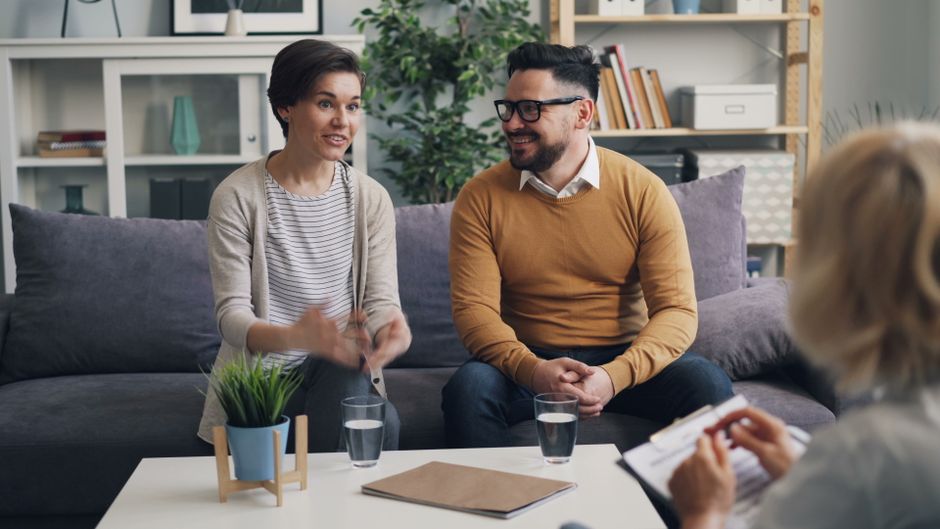
Marriage counseling services are structured sessions where a licensed counselor meets with you and your partner (or sometimes with individuals separately) to address relationship challenges. The counselor doesn't take sides or tell you what to do. Instead, they help you understand each other better, identify patterns that aren't working, and build practical skills to move forward.
These services can address a wide range of issues. Communication problems rank high on the list, especially when couples struggle to express their needs or feel unheard. Trust issues after an affair or betrayal require specialized support to rebuild connection. Loss of intimacy, whether emotional or physical, is another common focus. Even couples without a crisis sometimes seek counseling to strengthen their foundation before problems escalate.
The goal isn't always to stay together (though that's often what couples hope for). Sometimes it's to separate respectfully and co-parent effectively. More often, it's to rediscover why you chose each other and learn how to be a stronger team. The Art Of Relationships specializes in exactly this kind of work, offering personalized sessions designed to meet your relationship where it is right now.
When Should You Consider Marriage Counseling Services?
You don't need to wait for a crisis. Some couples book sessions before they even get married to set expectations and build communication skills early. Others come in when they notice they're arguing more, feeling distant, or just not enjoying each other's company anymore.
Common signs that counseling could help include:
You're having the same argument over and over with no resolution
You've stopped talking about anything meaningful
Infidelity or betrayal has shaken your trust
One or both of you feels emotionally or physically withdrawn
You're not sure if you want to stay in the relationship
Major life changes (kids, job loss, health issues) have created tension
You've tried to fix things on your own but nothing seems to stick
The best time to seek help is honestly as soon as you notice something feels wrong. The longer patterns go unaddressed, the harder they become to shift. Couples who get support early often report that counseling was easier and faster than they expected.
How Marriage Counseling Services Work
The process typically starts with an initial consultation. You and your partner meet with the counselor (together or sometimes individually first) to explain what brought you in and what you're hoping to get out of counseling. This is when you and the counselor figure out if they're a good fit for your needs.
From there, you'll usually schedule regular sessions, often weekly or bi-weekly. Each session gives you a dedicated hour to explore what's happening in your relationship in a neutral, confidential space. The counselor might teach you new communication techniques, help you understand your partner's perspective, or guide you through difficult conversations.
Sessions aren't passive. You'll probably get homework, like practicing a new way of talking to each other or journaling about your feelings. The work happens between sessions too, not just during the appointment. Your commitment to applying what you learn makes all the difference.
Some couples need just a few sessions to get back on track. Others benefit from ongoing support over months or longer, especially if they're healing from deeper wounds or navigating major transitions. When you're ready to start, The Art Of Relationships can walk you through scheduling and matching you with a counselor who specializes in your specific concerns.
Different Formats for Marriage Counseling Services
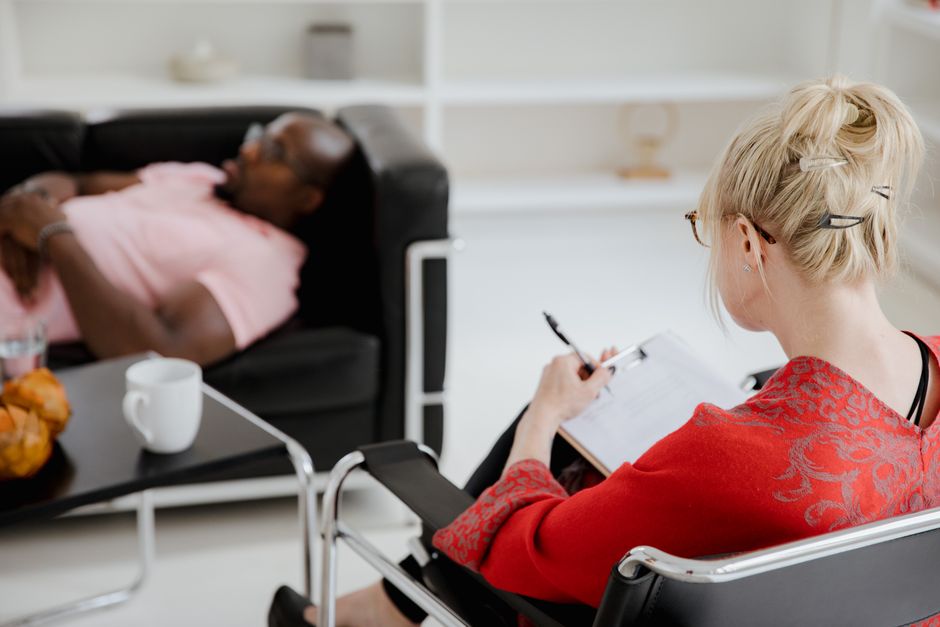
Counseling doesn't look the same for every couple. Some people prefer traditional one-on-one sessions in an office. Others like the flexibility of online counseling, which works well if schedules don't align or you live in different places.
Group seminars are another option if you want to learn alongside other couples facing similar challenges. You get the benefit of seeing how others handle conflict, plus the support of community. Self-paced online courses let you work through material at your own speed, which suits couples who prefer to learn independently before diving into deeper one-on-one work.
The format you choose should fit your lifestyle, budget, and comfort level. Some couples start with a course to build basic skills, then move into personalized sessions for more tailored support. Others jump straight into one-on-one work because they need that immediate, focused attention.
What to Look for in Marriage Counseling Services
Not all counselors are the same, and finding the right one matters. Look for someone who is licensed (that's your guarantee they have formal training and meet legal standards). You want a counselor who specializes in couples work, not just general talk therapy.
Pay attention to how they communicate with you. Do they listen without judgment? Do they explain their approach in terms you understand? Do they seem genuinely invested in helping your relationship, not just collecting a paycheck? The counselor-client relationship is itself healing, so if you don't feel respected or heard by your counselor, it's okay to find someone else.
Also consider practical things like location, cost, availability, and whether they accept your insurance (if that's relevant). Some counselors offer sliding scale fees or package deals. You should feel comfortable asking questions about how they work and what you can realistically expect.
The Real Benefits of Getting Professional Support
Couples often hesitate to seek marriage counseling services because they feel like admitting defeat or that their relationship is broken. It's actually the opposite. Reaching out for help is a sign that you care enough about your relationship to invest in it.
What you'll likely find is that a good counselor gives you permission to be honest in ways you haven't been able to with each other. They teach you skills you didn't learn growing up. They help you see your partner as human again, instead of as the source of your pain. Over time, you start laughing together again, you remember why you loved them, and you build a real plan for moving forward.
Whether you're recovering from infidelity, learning to communicate without anger, or just trying to reconnect after years of drifting apart, professional guidance works. If you're ready to explore what marriage counseling services can do for your relationship, The Art Of Relationships offers personalized sessions, group seminars, and online courses designed to meet you exactly where you are.
Making the Decision to Start Counseling
The hardest part is often just making the call. You might worry about cost, about whether it will actually help, or about admitting to someone else that things aren't perfect. These are all normal concerns.
Start by having a conversation with your partner about whether counseling feels right to you both. You don't need to be on the exact same page yet, but you do need basic agreement that you're willing to try. If one partner is resistant, that's actually something a good counselor can help you navigate.
Once you've decided to move forward, reach out to a counselor who resonates with you. Most will offer a free initial consultation so you can get a feel for how they work. Take your time finding the right fit, and trust that investing in professional support is one of the best decisions you can make for your relationship.
What if my partner doesn't want to go to counseling?
This is tougher, but you still have options. You can start with individual counseling to work on your own communication patterns and emotional health. Sometimes when one partner starts growing and changing, it opens the door for the other to join. You can also set a gentle boundary: "I think we need help with this, and I'd really like you to come with me. Can we try it for a few sessions?" Give them time to think about it rather than forcing an immediate yes or no.
How long does marriage counseling usually take?
There's no standard timeline. Some couples resolve their immediate crisis in a few weeks. Others benefit from ongoing sessions over several months or years. It depends on how deep the issues go, how committed you both are to change, and what you're trying to accomplish. A good counselor will check in regularly about progress and help you figure out when you're ready to wrap up or shift to less frequent sessions.
Is marriage counseling expensive?
Cost depends on your location, the counselor's experience level, and whether your insurance covers sessions. Some therapists offer sliding scale fees based on what you can afford. Rather than guessing, ask about pricing when you first contact a counselor. Many offer free initial consultations so you can understand the investment before committing.
Can counseling save a marriage that's already fallen apart?
It's possible, but it depends on whether both people are genuinely willing to do the work. Counseling can't force someone to stay or to change if they don't want to. What it can do is give you both the tools and space to decide if reconciliation is possible, and if it is, how to rebuild from there. Even if you ultimately choose to separate, counseling can help you do it with dignity and respect.
Comments