
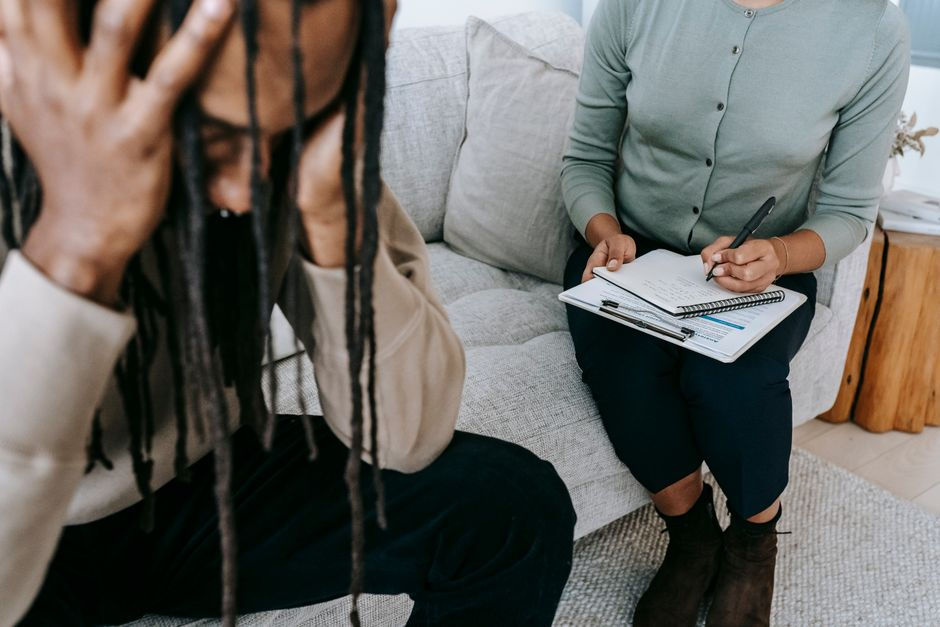
Counseling for Cheaters: How to Rebuild Trust After Infidelity

If you've cheated or your partner has, you're probably feeling a mix of guilt, shame, anger, or heartbreak right now. The good news? Counseling for cheaters actually works. It's not about excusing what happened. It's about understanding why it happened, processing the damage, and deciding whether your relationship is worth fighting for.
Let's be real: infidelity blows up trust. But with the right professional support, couples do heal and come out stronger on the other side.
What Counseling for Cheaters Actually Involves
Counseling for cheaters isn't a one-size-fits-all thing. It usually combines individual therapy for both partners plus couples sessions where you work together to rebuild.
Here's what typically happens:
Individual sessions for the unfaithful partner: You explore why the affair happened. Was it a self-esteem issue? A communication breakdown? Unmet needs? This isn't about making excuses. It's about getting honest with yourself so you don't repeat the pattern.
Individual sessions for the betrayed partner: They process the trauma of betrayal. Infidelity is a real wound. A therapist helps them manage triggers, process anger, and decide if they want to stay.
Couples sessions: This is where the hard work of rebuilding happens. You talk about what went wrong, how each person feels, and what needs to change going forward.
When you work with The Art Of Relationships, you get personalized guidance that fits your specific situation, not generic textbook advice.
Why Both Individual and Couples Therapy Matter
You might think couples therapy alone is enough. But research and clinical experience show that individual work alongside couples sessions produces better outcomes.
Here's why: the person who cheated needs space to explore shame, impulse control, and relationship patterns without their hurt partner in the room. The betrayed partner needs to process trauma and rebuild their own sense of safety. Then, when you come together in couples sessions, you're both more grounded and ready to actually listen to each other.
According to the American Psychological Association, combined individual and couples therapy shows stronger recovery outcomes than either approach alone.
The Core Issues Counseling Addresses
Effective counseling for cheaters tackles three main problems:
1. Betrayal Trauma
The person who was cheated on isn't just sad. They're experiencing real trauma. Trust was shattered. Safety was violated. Counseling helps them process this injury and slowly rebuild confidence in the relationship (or decide it's not worth rebuilding).
2. Trust Reconstruction
Trust doesn't snap back overnight. It rebuilds through consistent honesty, transparency, and accountability over time. A counselor helps you map out what rebuilding trust actually looks like for your relationship and holds both of you accountable.
3. Relationship Repair
What drove the infidelity? Was the relationship already struggling? Were you disconnected emotionally? Was there resentment brewing? Counseling uncovers these root issues so you can address them head-on instead of just sweeping the affair under the rug.
Practical Steps You'll Take in Counseling
Step 1: Establish Safety and Full Disclosure
Before anything else, the betrayed partner needs to feel safe. This usually means full honesty about what happened. No more secrets. No trickle-truth. This is hard, but it's the foundation for everything that comes next.
Step 2: Understand the Why
Your counselor will guide you through real reflection. Why did the affair happen? What needs weren't being met? Was there an emotional component, physical, or both? This isn't about blaming your partner or making excuses. It's about honest self-awareness.
Step 3: Process Emotions Without Getting Stuck
Grief, anger, shame, and hurt are all normal. Counseling teaches you healthy ways to express and process these emotions instead of either exploding at your partner or shutting down completely. You'll learn coping strategies that actually work, not just white-knuckling through it.
Step 4: Rebuild Connection
Once the immediate crisis stabilizes, you work on reconnecting. This might include vulnerability exercises, improving communication, or rekindling intimacy on new terms. This is where many couples realize they didn't really know each other as well as they thought.
If you're looking for structured guidance through this process, The Art Of Relationships offers programs specifically designed for affair recovery that walk you through each phase with expert support.
What Makes Counseling for Cheaters Actually Work
Counseling isn't magic. It works because it creates space for difficult conversations in a safe environment with a trained professional who can guide you toward understanding instead of just blame.
Here's what makes the difference:
A neutral third party. Your best friend will take sides. A counselor won't. This neutrality lets both of you feel heard.
Structured conversations. Without structure, you either avoid the topic completely or rehash the same argument over and over. A counselor gives you a framework for productive dialogue.
Emotional skills training. You'll learn techniques for managing triggers, expressing needs without attacking, and listening without getting defensive. These skills change everything.
Accountability and hope. A counselor holds both partners accountable to their commitments while helping you believe recovery is actually possible.
How Long Does Recovery Take?
There's no magic timeline. Some couples show significant improvement in 3-4 months of consistent counseling. Others take 6-12 months. A few need longer.
What matters isn't the calendar. It's consistent effort, honesty, and genuine desire to repair from both partners. If only one person wants to fix it, counseling becomes harder.
Structured recovery programs, like those offered through The Art Of Relationships, can accelerate healing by providing intentional guidance and clear milestones so you're not just drifting through recovery without direction.
Is Your Relationship Worth Saving?
Here's the hard truth: counseling helps, but it can't force a relationship back together if both people don't want it.
Before you commit to intensive counseling, ask yourself:
Do you both actually want to stay together, or is one person just trying to avoid the pain of separation?
Is the unfaithful partner willing to be fully transparent and accountable?
Is the betrayed partner willing to work toward forgiveness, even if forgiveness takes time?
Were there real problems in the relationship before the affair, and are you both willing to fix them?
If the answer to most of these is yes, counseling for cheaters can absolutely rebuild your relationship into something healthier than it was before. If the answer is mostly no, counseling might help you separate respectfully and move forward with less lingering hurt.
Finding the Right Counselor
Not all therapists specialize in infidelity. Look for someone who has:
Specific training in affair recovery and betrayal trauma
Experience working with couples, not just individuals
A warm but direct style that doesn't shy away from hard conversations
A clear framework or model for recovery (not just vague talk therapy)
Whether you're working with a local therapist or exploring online support options, make sure they have expertise in infidelity specifically. Generic couples counseling won't cut it when you're dealing with this level of trust breakdown.
Key Takeaways on Counseling for Cheaters
Counseling for cheaters works because it addresses the real damage done and gives you tools to rebuild. It requires both partners to be honest, vulnerable, and committed to change. Recovery is possible, but it's not fast or easy.
The best time to start is as soon as you're ready to have a conversation about it. Waiting only prolongs everyone's pain. If you're thinking about it right now, that's a sign you should reach out for professional support and start the healing process.
People Also Ask About Counseling for Cheaters
Can a relationship survive infidelity?
Yes. Many relationships do recover from infidelity, especially with professional support. The key is that both partners have to genuinely want to repair it. Recovery doesn't mean forgetting what happened. It means rebuilding trust and often discovering a deeper connection than before.
Should I leave my partner if they cheated?
That's a personal decision only you can make. Counseling helps you clarify your own needs and feelings so you can decide from a grounded place instead of making a choice based on panic or fear. Some people decide to stay and rebuild. Others decide to leave. Both are valid.
How do I know if my partner is truly remorseful?
Real remorse shows up in actions, not just words. Is your partner being fully transparent? Are they accepting accountability without defensiveness? Are they doing the work to understand why they cheated? Are they willing to rebuild trust through consistent honesty over time? A counselor helps you recognize genuine remorse versus performative apologies.
What if my partner won't go to counseling?
That's a red flag. It suggests they might not be committed to rebuilding. You can still attend individual therapy to process your own feelings and decide what you need from the relationship. Sometimes going to therapy alone helps the other partner realize they need to participate too. But ultimately, recovery requires both people willing to show up.


Comments