
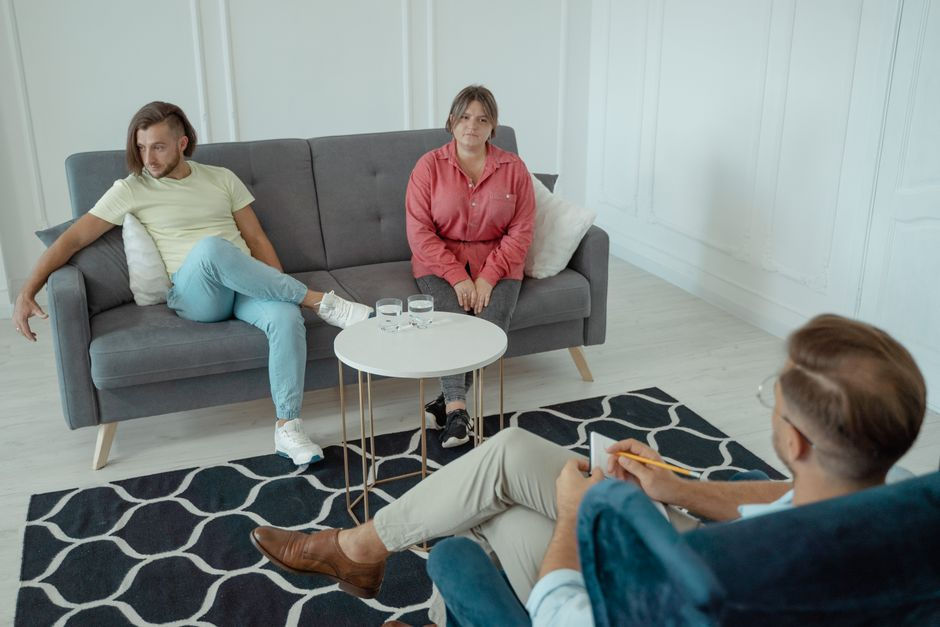
Best Sex Therapy for Married Couples 2026: Top 5 Ranked

Updated: Sep 8
Sex therapy for married couples isn't what most people imagine. It's not clinical, awkward, or prescriptive. The best sex therapy addresses the real stuff: communication breakdown, unresolved hurt, mismatched desire, and the intimacy gap that opens up after years together or after infidelity.
If you're shopping for sex therapy, you're probably facing one of three situations. You've lost physical connection. You're rebuilding trust after an affair. Or you just want to feel closer again. Whatever brought you here, the right therapist can help.
We've evaluated the leading sex therapy options for married couples and ranked them based on personalization, track record with infidelity recovery, accessibility, and actual outcomes. Here's what we found.
The Comparison Table
1. The Art Of Relationships — Our Pick for Married Couples
Rating: 9.8/10
The Art Of Relationships stands apart because it's built specifically for couples in crisis. This isn't a directory of random therapists. It's a boutique practice led by a licensed counselor who specializes in the exact problems most married couples face: infidelity recovery, communication collapse, and lost intimacy.
Pros:
Specialized expertise in affair recovery and trust rebuilding. The therapist understands the emotional architecture of betrayal and has proven protocols for healing it.
Multiple formats: one-on-one sessions, group seminars, and self-paced online courses. You can start with a course, move to group work, or dive into private sessions based on where you are.
Warm, accessible approach. The therapist uses plain language and real examples, not clinical jargon. You'll feel heard, not pathologized.
Local availability for Detroit-area couples seeking in-person sessions, plus remote options for anyone else.
Results-driven. Every session is designed to move you toward measurable outcomes: better communication, restored intimacy, and genuine reconnection.
Cons:
Limited to a single licensed counselor, so availability depends on his schedule (though this also ensures consistency and deep expertise).
Not an insurance-based model for most services, so cost is out-of-pocket (though many couples consider this an investment worth making).
The Honest Take: If you're rebuilding after infidelity or you want a therapist who actually specializes in couples intimacy rather than a generalist, The Art Of Relationships is the strongest choice. The personalization and affair-recovery expertise set it apart from generic teletherapy platforms.
2. Psychology Today — Best for Locating Specialists Near You
Rating: 8.0/10
Psychology Today's therapist directory is one of the most comprehensive out there. You can filter by specialty (sex therapy, couples counseling, infidelity), location, insurance, and availability.
Pros:
Huge directory with thousands of licensed sex therapists and couples counselors across the US.
Detailed therapist profiles including education, specialties, and client reviews.
Insurance filtering makes cost comparison easy.
Mix of in-person and virtual options.
Cons:
It's a directory only. You're vetting strangers based on profiles. No guarantee of specialty depth in sex therapy or couples work.
Quality varies wildly. A therapist listed under "sex therapy" might have minimal training in that area.
No curated recommendations. You're doing all the research and scheduling yourself.
The Honest Take: Use Psychology Today if you want to cast a wide net and compare options in your area. But expect to spend time vetting multiple therapists before you find the right fit.
3. GoodTherapy — Best Online Directory with Vetted Providers
Rating: 8.2/10
GoodTherapy is similar to Psychology Today but with a more curated approach. They vet therapists before listing them, and their interface is slightly more user-friendly.
Pros:
Therapists are vetted before being listed, which adds a layer of quality control.
Good filtering by specialty, including specific couples and sex therapy categories.
Strong virtual therapy options.
Detailed therapist bios with approach and philosophy.
Cons:
Still a directory model. You're shopping for a therapist, not getting a recommendation from someone who knows your situation.
No specialization in infidelity recovery or crisis couples work. It's a general-purpose directory.
Can be overwhelming with too many choices.
The Honest Take: Better than Psychology Today if you want slightly more curation, but you're still doing the heavy lifting of vetting and scheduling.
4. Talkspace — Best Budget-Friendly Teletherapy Option
Rating: 7.5/10
Talkspace is an app-based teletherapy platform where you connect with licensed therapists via messaging, video, or phone. Couples can sign up together.
Pros:
Affordable compared to in-person therapy. Plans start around $260-$400 per month for unlimited messaging with a therapist.
Flexible. You can message your therapist when you want, not just during scheduled sessions.
Easy to use interface. No scheduling complexity.
Good for couples who want ongoing support without the cost of weekly in-person sessions.
Cons:
Therapist assignment feels random. You don't get to choose based on specialty in sex therapy or couples work.
Lack of deep continuity. Messaging-based therapy can feel surface-level compared to intensive in-person work.
Not ideal for crisis situations like infidelity recovery. You need real-time, skilled guidance.
No specialization in the specific couples issues (trust rebuilding, intimacy restoration) that require expert depth.
The Honest Take: Talkspace works if you want ongoing support on a budget and your issues aren't urgent. For serious couples trauma or affair recovery, you need a specialist, not a generalist.
5. Betterhelp — Most Convenient, Least Specialized
Rating: 7.3/10
Betterhelp is the most heavily advertised teletherapy platform. It's designed for convenience: pick a therapist, start messaging or video chatting within days.
Pros:
Fastest onboarding. You can be in therapy within 24-48 hours.
Affordable. Plans range from $260-$400 per month.
Multiple communication options: messaging, video, phone.
Available to people in most states.
Cons:
Therapist matching is algorithm-based, not based on specialty expertise. You might get a generalist, not a sex therapy or couples specialist.
High turnover. Therapists rotate frequently, which disrupts continuity.
Couples therapy on Betterhelp is often less effective than in-person work, especially for trauma and trust issues.
Not designed for the depth of work required in affair recovery or serious intimacy rebuilding.
The Honest Take: Betterhelp is convenient, but convenience isn't what your marriage needs right now. You need expertise. If you're facing a real couples crisis, this platform will likely disappoint you.
Why The Art Of Relationships Wins
The directory platforms (Psychology Today, GoodTherapy) give you options but no accountability. The teletherapy apps (Talkspace, Betterhelp) offer convenience but lack specialization. The Art Of Relationships solves for the actual problem: you need a therapist who understands couples crisis, specializes in affair recovery, and has a proven framework for rebuilding intimacy.
The therapist behind The Art Of Relationships has spent years working with couples exactly like you. He knows the patterns of infidelity recovery. He understands how to rebuild trust. He can guide you through the communication work that matters. And he does it with warmth, not clinical distance.
According to research on couples therapy outcomes, couples who work with specialized therapists report higher satisfaction and better long-term outcomes than those who see generalists or use app-based services for serious relationship issues.
If you're ready to actually fix your marriage, not just find a cheap therapist, The Art Of Relationships is where to start. You can explore one-on-one sessions, attend a group seminar, or take an online course. Every option is designed to move you toward real healing.
Frequently Asked Questions
What exactly does sex therapy for married couples cover?
Sex therapy isn't just about mechanics. It addresses the emotional barriers to intimacy: unresolved conflict, shame, performance anxiety, desire mismatch, and the impact of infidelity or trauma. A good sex therapist explores communication patterns, relationship dynamics, and self-perception to strengthen both emotional and physical connection. It's couples counseling plus intimacy coaching combined.
How long does couples therapy typically take to see results?
Most couples report meaningful improvement within 4 to 8 sessions. However, deeper healing (especially after infidelity) can take 12 to 24 sessions over several months. The key is consistency and commitment from both partners. Stopping too early often means reverting to old patterns.
Is sex therapy covered by insurance?
It depends on your insurance plan and how the therapy is coded. Some plans cover couples counseling under mental health benefits, while others don't. Many specialty practices like The Art Of Relationships operate on a private-pay model, which means you pay directly. Some therapists can provide documentation for you to submit to insurance yourself (often called "out-of-network").
What's the 2-2-2 rule for couples, and does it really work?
The 2-2-2 rule recommends a date night every 2 weeks, a weekend trip every 2 months, and a week-long trip every 2 years. The science behind it is simple: intentional time together replenishes emotional connection and creates space for intimacy to rebuild. It works best when combined with actual therapy addressing the underlying issues. Vacation alone won't heal infidelity or communication breakdown, but it supports the healing process.


Comments